I spent three months living in a rented suburban house with four other players, and let me tell you, the “synergy” the orgs promised was nowhere to be found. Instead of high-level scrims and tactical breakdowns, I spent most of my time arguing about whose turn it was to buy milk or why someone’s setup was drawing so much power it tripped the circuit breaker mid-match. Everyone talks about the prestige of the lifestyle, but nobody actually explains how team houses work when you’re dealing with five different sleep schedules, a shared kitchen that smells like burnt toast, and a Wi-Fi router that can’t handle five simultaneous streams. It’s not a training facility; it’s a stress test for your mental health.
I’m not here to sell you on the dream or rewrite a PR department’s brochure. I’ve seen the dirty side of the living arrangement, from the logistical nightmares to the actual impact on performance, so I’m going to give you the breakdown without the fluff. I’ll tell you exactly what the costs are—both in dollars and in sanity—and whether the shared living model is a legitimate tool for growth or just an expensive way to burn out your roster.
Table of Contents
- Gaming House Infrastructure Built for Performance or Just Hype
- Esports Bootcamp Benefits vs the Daily Grind Reality
- Five Ways to Tell if a Team House is a Performance Hub or Just a High-End Dorm
- The Bottom Line: Is the Team House Model Worth the Friction?
- The Infrastructure Illusion
- The Bottom Line: Hype vs. Hardware
- Frequently Asked Questions
Gaming House Infrastructure Built for Performance or Just Hype
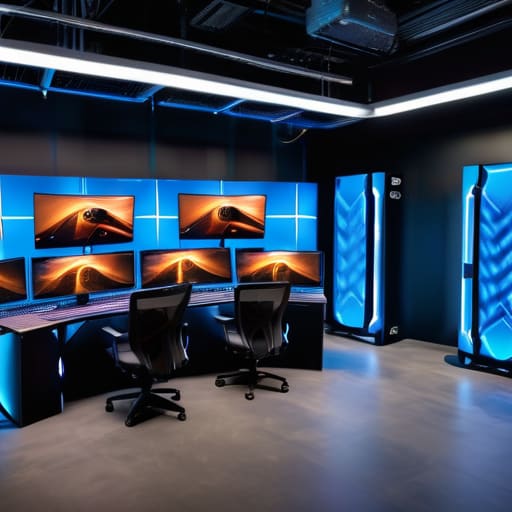
Most people see a high-end gaming house and think of RGB strips and ergonomic chairs, but they miss the actual engineering required for gaming house infrastructure to function. If you’ve ever tried to run five high-end rigs, three monitors each, and a server rack off a standard residential circuit, you know the drill: the breaker trips the second someone hits the kettle. A real setup isn’t just about having the latest GPUs; it’s about dedicated electrical sub-panels and redundant fiber lines. If the ping spikes because the roommate is streaming 4K video in the next room, the entire investment is a wash.
I’ve seen “pro” setups that were nothing more than a glorified Airbnb with some decent desks. True esports training facilities prioritize thermal management and network stability over aesthetic lighting. You need localized cooling for the player stations and a network architecture that treats packet loss like a critical system failure. Without that level of technical oversight, you aren’t building a training ground; you’re just paying a premium to live in a high-latency nightmare.
Esports Bootcamp Benefits vs the Daily Grind Reality
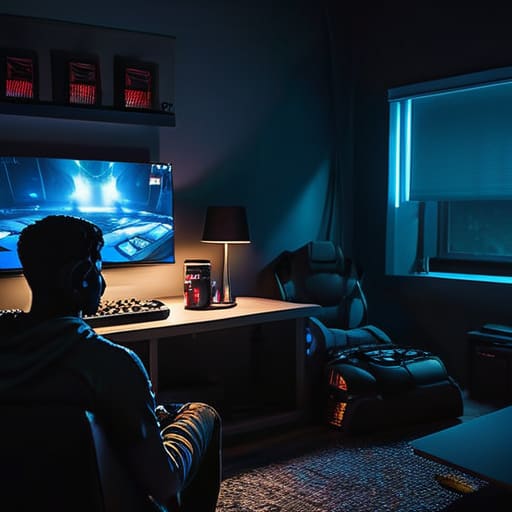
The marketing pitch for esports bootcamp benefits always sounds like a dream: five players, one roof, and zero distractions. In theory, you’re optimizing every waking hour for scrims and VOD review. But once you’re actually in the thick of it, the line between “focused training” and just living in a high-pressure pressure cooker gets incredibly thin. I’ve seen how poorly managed pro player living arrangements can tank a roster faster than a bad patch; when your teammates are also the people you’re arguing with about whose turn it is to do the dishes, the mental fatigue is real.
The reality of the professional gaming lifestyle isn’t just about hitting your mechanics; it’s about managing the friction of constant proximity. High-end esports training facilities might offer the best fiber and ergonomic chairs, but they can’t fix a toxic social dynamic. If the team house management is non-existent, you aren’t building synergy—you’re just building resentment in a room full of expensive peripherals. You need a space that actually allows for mental reset, otherwise, you’re just grinding yourself into a burnout before the season even starts.
Five Ways to Tell if a Team House is a Performance Hub or Just a High-End Dorm
- Audit the bandwidth, not the marketing. If the org says they have “pro-grade internet” but hasn’t run a stress test on the router during a simultaneous 5-man scrim, you’re looking at massive packet loss and wasted practice hours. I want to see dedicated lines and a backup ISP, not just a flashy router sitting on a desk.
- Check the physical separation of “work” and “life.” A house where your sleeping area is three feet from your practice station is a recipe for burnout. If there isn’t a clear boundary between the gaming room and the kitchen/living area, the players aren’t resting—they’re just living in an office they can’t leave.
- Look at the food logistics. “Collaborative spirit” is a nice way to describe five guys fighting over a single air fryer. A functional house needs a meal plan or a way to get high-quality nutrition that doesn’t involve three hours of DoorDash fees and a blood sugar crash mid-scrim.
- Evaluate the hardware maintenance plan. In a house of five high-performance rigs, something is always going to fail—a PSU pops, a GPU throttles, or a peripheral dies. If there isn’t a budget or a person responsible for keeping the hardware at peak spec, the “performance” part of the house is just a lie.
- Watch for the “friction cost” of shared living. Living with your coworkers is a massive social tax. If the house lacks private spaces for decompressing, the players will spend more energy managing interpersonal drama than they will perfecting their mechanics.
The Bottom Line: Is the Team House Model Worth the Friction?
Infrastructure isn’t just about high-speed fiber; it’s about whether the house layout actually allows for focused practice or if you’re constantly stepping over a teammate’s discarded energy drink cans in a cramped living room.
The “collaborative spirit” is often just a marketing term for shared burnout, so unless the house has clear boundaries between the practice station and the actual living space, you’re just paying for expensive friction.
Don’t mistake a bootcamp for a permanent solution; a team house works for tactical cohesion, but if you haven’t solved your communication issues in a standard Discord call, a shared kitchen isn’t going to fix your mid-game rotations.
The Infrastructure Illusion
“A team house isn’t a high-performance training center just because they slapped a few RGB strips on a desk and called it a ‘gaming facility’; if the fiber line drops packets during a scrim or the kitchen is so cluttered you can’t find a clean mug, you aren’t optimizing performance, you’re just paying premium rent to live in a high-latency dorm.”
Denny Kowalczyk
The Bottom Line: Hype vs. Hardware
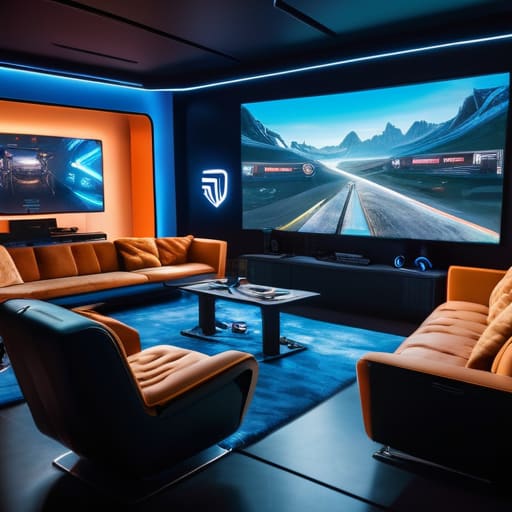
At the end of the day, a team house isn’t a magic multiplier for skill; it’s just a high-stakes environment where the infrastructure can either facilitate your growth or become a massive, expensive bottleneck. I’ve seen enough setups to know that a house with a shared kitchen and a single 1Gbps connection isn’t an “elite training facility”—it’s just a recipe for burnout and ping spikes. If the organization is prioritizing aesthetic lounge spaces over redundant fiber lines and ergonomic workstations, they aren’t building a championship roster; they’re just building a content house. You have to look past the flashy social media clips and ask if the actual living conditions support the grind or if they just mask the friction of living and working in the same ten-foot radius.
If you’re looking to enter this space, whether as a player or an investor, remember that the most successful houses aren’t the ones with the most expensive decor, but the ones that respect the human element of the machine. High-level esports requires a level of mental clarity that you simply cannot achieve if your living situation is a constant source of technical or social stress. Don’t fall for the dream of the “perfect” gaming lifestyle if it lacks the practical foundation to sustain it. Build for performance, prioritize the stability of the environment, and treat the players like professionals rather than just assets in a high-budget production.
Frequently Asked Questions
How much of the monthly budget actually goes toward high-end hardware versus just paying for a massive kitchen and a landlord?
Look, the math rarely favors the hardware. I’ve seen orgs claim they’re “optimizing performance,” but when you audit the actual burn rate, a massive chunk of that monthly budget is just subsidizing high-ceiling rent and a kitchen large enough to feed ten hungry pros. You’re paying for the square footage, not the silicon. If the budget is $10k a month, don’t expect $8k of that in GPU upgrades; a huge slice is disappearing into landlord pockets and utility bills.
Is there a way to tell if a team is actually training in a house or if they're just living together to make content for sponsors?
Look at their VODs, not their Instagram. If their “practice” sessions are just high-energy clips of them laughing at a meme or unboxing a sponsor’s new peripheral, they’re a content house, not a training facility. Real teams have structured scrim blocks and review sessions that look boring as hell. If you don’t see dedicated, repetitive, soul-crushing grind sessions in their schedule, they aren’t training—they’re just renting a nice kitchen to film ads.
What happens to the player's mental health when their bedroom, their office, and their social life are all the exact same four walls?
It’s a psychological pressure cooker. When your sleeping space, your workstation, and your social hub are all within a ten-foot radius, your brain never actually enters “off” mode. I’ve seen players burn out in months because they can’t decouple the stress of a losing streak from the place they’re supposed to rest. Without physical boundaries, the mental fatigue doesn’t just accumulate; it compounds. You aren’t just living in a house; you’re living inside your job.
