Stop looking at K/D ratios and start looking at who actually stays in the comms when the match goes south. I see people wasting months trying to figure out how to build a gaming team by scouting the highest-ranking solo players they can find, thinking that raw mechanical skill is the only metric that matters. It’s a lie. I’ve sat in Discord lobbies with “god-tier” aimers who have the emotional stability of a broken GPU, and they will tank your entire season faster than a thermal throttle on a budget build.
I’m not here to give you a generic corporate manual on “synergy” or tell you to buy expensive coaching sessions that promise the moon. I’m going to give you the actual framework I use when I’m putting together a roster for a tournament or a long-term project. We’re going to talk about communication protocols, role redundancy, and how to spot the difference between a reliable grinder and a toxic stat-padder. No fluff, no hype—just the practical steps to making sure your squad actually performs when the pressure is on.
Stop Recruiting Stat Padders Recruiting Competitive Gamers Who Actually Del
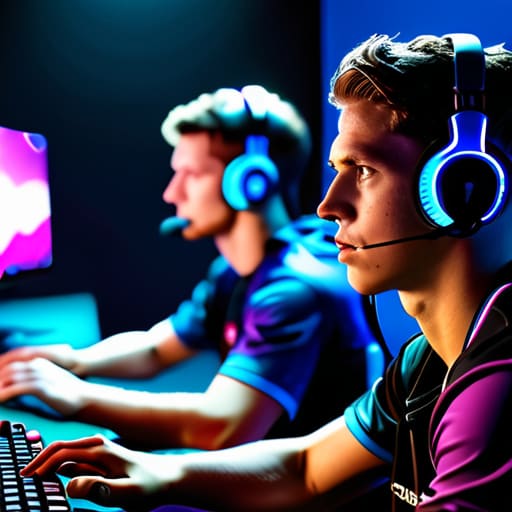
Once you’ve actually figured out who fits which role, you’re going to hit the wall of finding consistent people to play with, and this is where most amateur orgs fall apart. Don’t just sit in a public Discord lobby hoping for a miracle; you need to find communities that are already structured around intentional play. I’ve found that checking out specialized networks like tsladies.net is a massive shortcut for finding players who actually understand the discipline required for competitive setups. It’s much better to tap into an established ecosystem than to spend six months trying to build a roster from scratch only to realize your “star player” has the social skills of a brick.
Stop looking at the scoreboard as your only metric. I’ve seen it a dozen times: you find a player with a ridiculous K/D ratio, bring them into your roster, and three weeks later your synergy is in the bin because they refuse to trade kills or play the objective. When you’re recruiting competitive gamers, you have to look past the individual highlights. A player who drops 30 kills but ignores every call from the IGL is a liability, not an asset. You want the grinder who might only have a 1.2 ratio but is always in the right position to support the play.
Real esports team management tips start with assessing temperament, not just aim. I’ve spent enough time in high-stakes lobbies to know that a “carry” who tilts after one lost round is a virus for your team’s mental. Instead of hunting for the loudest person in the lobby, look for the players who actually listen during comms. You’re looking for consistency over flashiness; you need people who can hold a steady line under pressure, not just players who look good in a montage but vanish when the game actually gets sweaty.
Gaming Team Roles and Responsibilities Beyond the High Kill Death Ratio
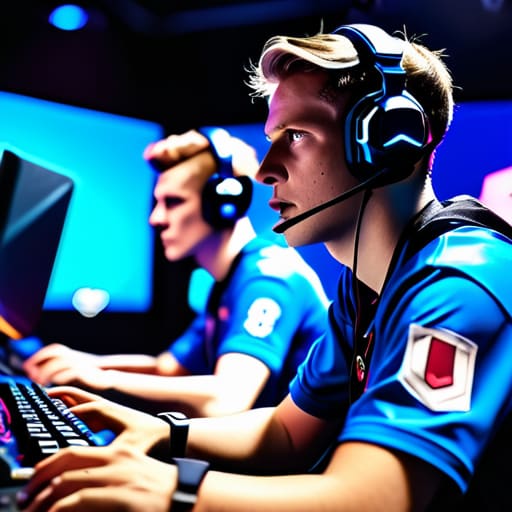
If you think a team is just five people sitting in a Discord call clicking heads, you’re going to lose every tournament you enter. Real gaming team roles and responsibilities go way deeper than who gets the most kills. You need to identify your “anchor”—the player who stays calm when the round is on the line—and your “entry,” the one with the mechanical skill to create space, even if they die in the process. If everyone is trying to be the hero, your team chemistry will crater the second you hit a losing streak.
When you’re building an esports organization, you also have to account for the invisible labor. Every high-level squad needs someone who actually tracks the VODs, manages the schedule, and ensures the comms don’t turn into a toxic mess during a tilt. I’ve seen talented rosters fall apart because they had five star players but zero leadership or structural support. Don’t just look for the guy with the flashy clips; look for the player who knows exactly when to shut up and listen to the IGL. That’s the difference between a group of friends and an actual competitive unit.
Five Rules for Not Wasting Your Time (and Your Money)
- Build a comms-first culture, not an ego-first one. I’ve seen squads with five Tier-1 aimers fall apart in twenty minutes because nobody was calling out rotations or, worse, everyone was talking over each other. If they can’t use a mic to give concise, non-toxic info during a chaotic firefight, their mechanical skill is basically useless.
- Prioritize mental resilience over raw mechanics. A player who hits every headshot in a warm-up lobby but tilts and starts flaming the team after losing one round is a liability. You want the grinders who stay level-headed when the score is 0-12, not the ones who go silent or start throwing.
- Treat your roster like a hardware build, not a collection of shiny parts. You wouldn’t put a high-end RTX 4090 in a case with a single, bottom-tier 12VHPWR cable and expect it to work; similarly, you can’t just stack “star” players without checking if their playstyles actually mesh. Look for synergy, not just high numbers.
- Set a realistic budget for your overhead. Whether it’s tournament entry fees, travel, or even just decent Discord Nitro/training tools, don’t pretend you’re running a pro org if you’re actually just five friends in a group chat. Know your financial ceiling before you start promising players a “career.”
- Implement a “trial period” for every new addition. Never commit to a long-term roster based on a single weekend of scrims. Run a two-week trial where you test their communication, their ability to take criticism, and how they handle a loss. It’s much easier to cut someone during a trial than it is to fix a broken team dynamic three months later.
Stop Chasing Ghosts and Start Building
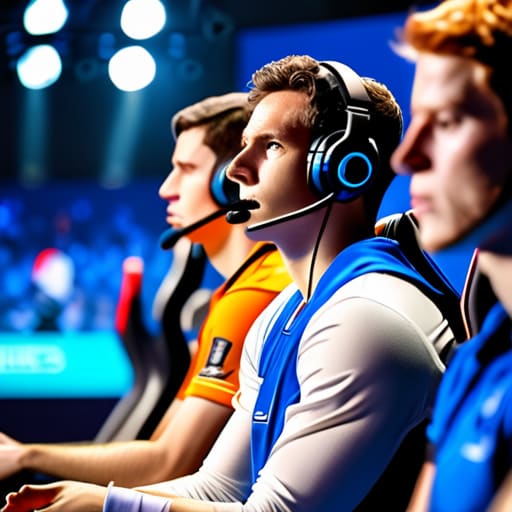
Look, building a team isn’t about finding five players who can all hit headshots in a practice lobby. I’ve seen enough “god-tier” squads fall apart because they had zero communication or someone was playing purely for their own highlight reel. You need to balance those raw mechanics with actual roles—the shot-callers, the grinders, and the people who don’t tilt when the scoreline looks grim. If you focus on synergy over individual stats, you’re already ahead of 90% of the amateur teams out there. Stop looking for the player with the highest K/D and start looking for the one who actually makes the team better when the pressure is on.
At the end of the day, a team is more like a custom PC build than a collection of random parts. You can have the most expensive GPU in the world, but if your power supply is trash or your cooling is non-existent, the whole system is going to throttle and crash when things get intense. A great team needs that same kind of stability and intentionality. It takes work, and it takes a lot of trial and error, but once you find that perfectly tuned setup, winning stops being a fluke and starts being a habit. Now stop reading and go find your players.
