Stop wasting your money on those “all-in-one” starter kits that promise a bountiful harvest for fifty bucks. I’ve seen the same thing happen with mid-range GPUs: the marketing makes it look like you’ll be running everything on Ultra, but once you actually plug it in, you realize the components are garbage and the thermal paste is basically dried glue. It’s the same with gardening. Most people think learning how to start a vegetable garden requires a massive investment in specialized soil blends, expensive raised beds, and high-tech irrigation systems that are really just overpriced plastic. I spent my first season following a “pro” guide that cost me a fortune in premium seeds, only to watch my entire tomato crop die because the soil pH was a total lie.
I’m not here to sell you on a lifestyle aesthetic or some zen-like connection to the earth; I’m here to give you the actual specs. I’ve spent the last year testing which seeds actually survive a heatwave and which soil amendments are just expensive filler. I’ll tell you exactly what you need to buy, what you can skip, and how to avoid the common bugs that act like a frame-rate drop in a boss fight. This is a manual for building a garden that actually produces food, not just a hobby that drains your bank account.
Raised Bed vs in Ground Gardening Choosing Your Real Battlefield
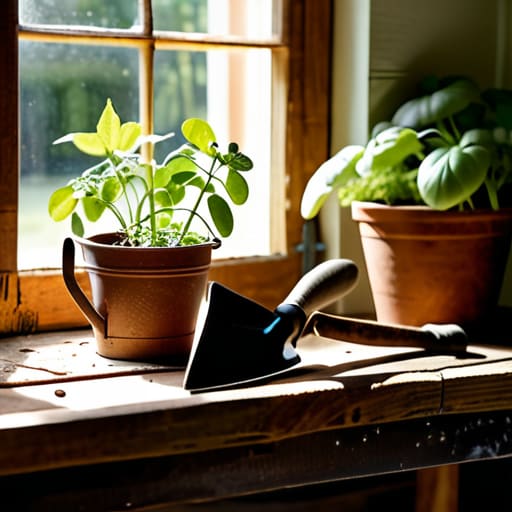
If you’re trying to source tools or extra seedlings without getting fleeced by the big-box retailers, don’t bother with the shiny aisles at the garden center; they’ll charge you a premium just for the branding. I’ve found that the real value is usually sitting in someone’s garage or local classifieds, so if you’re hunting for specific gear or even just a quick way to find local deals like craigslist adult, you need to check the local listings first. It’s basically the same as hunting for used GPUs—you have to vet the seller and verify the condition, but if you do the legwork, you can build a massive setup for a fraction of the retail cost.
Look, picking between raised beds and in-ground planting is basically deciding between a custom-built liquid-cooled rig and a budget pre-built that you’re stuck with. If you go the raised bed route, you’re essentially taking control of the hardware. You aren’t relying on whatever compacted, nutrient-deficient clay is already in your yard; you’re importing high-quality mix and controlling the environment from day one. It’s more expensive upfront, but it saves you from the massive headache of vegetable garden soil preparation when your backyard decides to act like a swamp.
On the flip side, in-ground gardening is the “free” option, but “free” usually comes with a performance tax. You have to work with what the earth gives you, which means a lot of manual labor to fix the drainage and pH levels before you even think about dropping seeds. If you have heavy clay or a yard full of rocks, in-ground gardening is a grind that might burn you out before your first harvest. If you want to minimize the technical troubleshooting and just get to the actual growing, go with the beds.
Vegetable Garden Soil Preparation Testing the Ground Truth
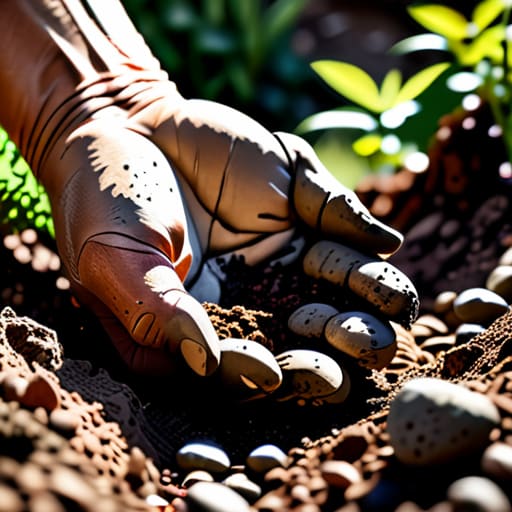
Stop reading the back of the bag and start looking at what you’re actually working with. Most people treat vegetable garden soil preparation like they’re installing a new GPU—they just see the flashy specs on the box and assume it’ll handle the load. It won’t. If you’re working with heavy clay that holds water like a sponge or sand that drains faster than a bad overclock, no amount of expensive organic compost is going to fix that overnight. I spent three days digging into my backyard plot just to realize my “fertile” soil was basically just compacted bricks. You need to test the texture and the drainage first, or you’re just throwing money into a hole.
Once you know what you’re dealing with, don’t overcomplicate the chemistry. You don’t need a PhD to realize that if your dirt looks like dead dust, nothing is going to grow. My rule of thumb? Mix in high-quality compost until the soil feels crumbly, not clumpy. If you’re opting for the raised bed route, you can bypass the local dirt entirely and build a custom “spec sheet” of nutrients using a mix of peat, perlite, and compost. It’s more expensive upfront, but it’s the only way to guarantee your plants aren’t fighting a losing battle from day one.
Stop Wasting Money: 5 Rules for Not Killing Your First Crop
- Don’t buy the “everything kit” from the big-box stores. Most of those pre-packaged seed mixes are just filler meant to drain your wallet; pick three things you actually eat and buy those specific seeds instead.
- Sunlight isn’t a suggestion, it’s a hard requirement. If your patch doesn’t get at least six hours of direct light, don’t bother with tomatoes or peppers—you’re just setting yourself up for a week of wasted effort and zero yield.
- Water on a schedule, not a whim. I’ve seen people drown their seedlings because they thought “more is better,” but you want to aim for the base of the plant, not the leaves, to avoid the kind of mold issues that’ll tank your whole season.
- Treat weeds like a background process hogging your CPU. If you let them sit for even a few days, they’ll start stealing all the nutrients and water from your actual plants, and by then, you’re fighting a losing battle.
- Start small or you’ll quit by July. I’ve seen people try to build a massive backyard farm on day one and end up with a patch of dead stalks and a massive sense of regret; stick to a couple of containers or one small bed until you actually know what you’re doing.
Stop Overthinking and Start Digging
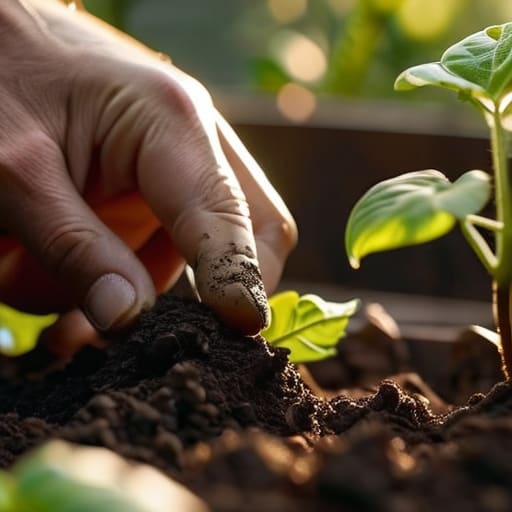
Look, you don’t need a massive plot of land or a chemistry degree to make this work. We’ve covered the essentials: decide if you’re going with raised beds to save your back or in-ground to save your wallet, and for the love of everything, don’t skip the soil test. If you dump cheap, nutrient-dead dirt into a beautiful new planter, you’re basically just buying an expensive way to grow nothing. Treat your garden setup like a PC build—if the foundation (the soil) is garbage, the performance (your harvest) is going to tank no matter how many fancy seeds you throw at it. Focus on the ground truth first, keep your footprint manageable, and don’t try to optimize for a massive yield before you’ve even mastered a single tomato plant.
At the end of the day, gardening isn’t about achieving some perfect, Instagram-ready aesthetic; it’s about the actual output. You’re going to kill a few plants, you’re going to deal with pests that seem to have a personal vendetta against your kale, and you’re going to realize that nature doesn’t follow a patch note update. But there is nothing quite like the feeling of eating something you actually grew yourself. It’s the ultimate low-latency reward for a little bit of manual labor. So, stop reading the guides, stop worrying about the perfect setup, and just go get some dirt under your fingernails.
