I’ve spent enough nights staring at progress bars to know that most modern RPGs are just glorified spreadsheets wrapped in pretty lighting. You see a trailer with cinematic sweeping vistas and a massive “open world” tag, but half the time, you’re just walking through empty corridors or engaging in repetitive fetch quests designed to pad the runtime. People keep asking me for a definitive list of the best rpgs, but they usually end up disappointed because they bought into the marketing hype instead of looking at how the actual mechanics hold up after twenty hours. I’m not interested in how many hours a game claims to have; I care about whether those hours actually respect your time or if they’re just digital filler.
In this list, I’m cutting through the noise to give you five titles that actually justify the electricity they pull from your wall. I’ve looked past the hype cycles to find the games where the systems actually click and the choices actually matter. You’re going to get my honest take on which ones offer real depth and which ones are just expensive time-sinks masquerading as masterpieces. No fluff, no press-release nonsense—just the games worth your money and your evening.
Table of Contents
Baldur’s Gate 3
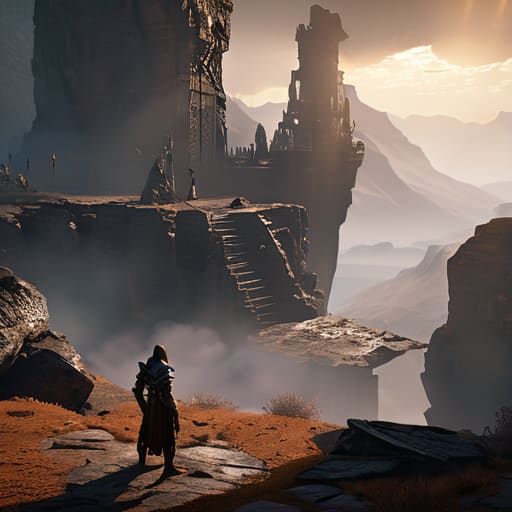
I spent about eighty hours in this before I could even begin to talk about the mechanics, and honestly, the sheer amount of systemic agency you get is terrifying. Most RPGs give you a dialogue tree that feels like a polite suggestion, but here, if you decide to shove a critical NPC off a cliff, the game doesn’t just break—it adapts. It’s a chaotic, beautiful mess that rewards you for actually reading the item descriptions and understanding how your gear interacts with the environment.
Elden Ring
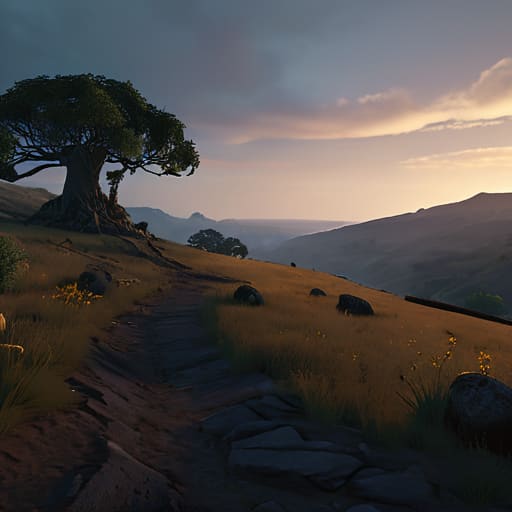
People love to call this a “soulslike,” but that’s a lazy way to categorize what is essentially a masterclass in environmental storytelling. I didn’t need a single quest marker or a glowing waypoint to tell me where to go; I just saw a massive, glowing tree on the horizon and followed the visual breadcrumbs. It’s an open world that doesn’t feel like a checklist of chores, which is a rare feat in an era where every map is covered in icons that scream for your attention.
Disco Elysium
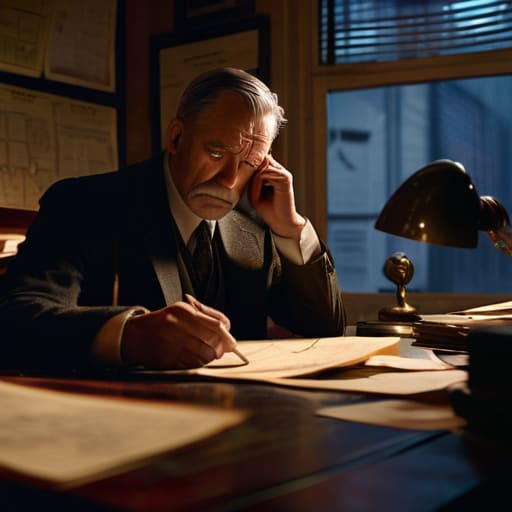
If you think an RPG needs combat to be good, you’re looking at the wrong genre. This is a game about internal monologues, political theory, and a detective who is arguably the most competent disaster I’ve ever played. There are no sword swings here, just a constant, escalating war between the different parts of your own brain. It’s heavy on the reading, sure, but it’s the kind of writing that makes you actually want to stop and think about the implications of your choices.
Persona 5 Royal
This is the king of the “just one more day” loop. The way it blends high-school social simulation with dungeon crawling is seamless, even if the pacing can feel a bit strangled by its own length. You spend half your time managing your calendar and the other half fighting shadows, and somehow, the game makes the mundane task of studying for exams feel just as vital as a boss fight. It’s a highly stylized, rhythmic experience that demands your attention.
The Witcher 3: Wild Hunt
Even years after its release, this remains the gold standard for how to write a side quest. I’ve played countless games where “fetch the herb” feels like a waste of my life, but in The Witcher, even a contract for a single monster can turn into a morally grey nightmare that leaves you questioning your own choices. Geralt isn’t a hero; he’s a professional, and the game treats his work with a level of gritty realism that most fantasy titles completely miss.
The Bottom Line
Don’t let a high Metacritic score trick you into a 100-hour grind; if the core loop feels like a chore by hour ten, no amount of “epic scale” will make it worth your time.
Check your hardware requirements before you buy—I’ve seen too many people jump into these titles only to realize they’re fighting for 30 FPS on medium settings when they expected a smooth experience.
Value isn’t just about the price tag on Steam; it’s about the ratio of meaningful content to empty filler, so skip the “open world” titles that are just maps filled with repetitive icons.
## The Real Metric for Value
A game isn’t a ‘masterpiece’ just because it has a hundred hours of content; it’s a masterpiece if those hundred hours don’t feel like a second job you’re paying to perform. I don’t care how many skill trees you can click through if the core loop is just mindless busywork designed to hide a hollow story.
Denny Kowalczyk
The Bottom Line
Look, there isn’t a one-size-fits-all answer here because your “best” depends entirely on whether you want to spend sixty hours perfecting a build or three hundred hours managing a spreadsheet. If you want mechanical depth that actually respects your time, go for the heavy hitters we discussed, but don’t feel obligated to pick up a title just because the Steam reviews are glowing. I’ve seen too many people drop a hundred bucks on a massive open world only to realize they’re just playing a glorified errand simulator with nothing but repetitive combat to keep them going. Stick to the games that offer a tangible payoff for your effort, whether that’s a narrative gut-punch or a build that finally makes your frame rates feel meaningful.
At the end of the day, your gaming library shouldn’t be a graveyard of half-finished, bloated experiences that you bought because of a shiny trailer. Stop chasing the hype cycle and start looking for the games that actually respect your evening. Whether you’re grinding through a tactical masterpiece or just exploring a quiet, well-written world, make sure the investment is worth the hours you’re putting in. If a game feels like it’s just trying to pad its runtime to justify a premium price tag, walk away. Your time is the only resource you can’t upgrade, so spend it on something that actually delivers.
Frequently Asked Questions
If I'm running a mid-range build with a 3060 Ti, am I going to be stuck playing these on Low settings just to keep a stable 60 FPS?
Look, I’ve built enough 3060 Ti rigs to know exactly where you stand. You aren’t stuck on Low, but don’t expect to max everything out at 4K. For most of these titles at 1080p or 1440p, you’ll be looking at High settings to maintain a locked 60 FPS. If you push to Ultra, expect that frame rate to dip into the mid-40s during heavy combat. DLSS is your best friend here—turn it on and save your sanity.
Which of these actually respects my time, and which ones are just going to force me into sixty hours of mindless fetch quests?
If you’re looking for a tight loop, stick to the first two on this list. They respect your time because every hour spent actually moves the needle on your character or the story. Avoid the others if you’re on a schedule; they’re built on “map clutter”—those repetitive fetch quests designed to inflate the runtime. I’ve sat through the grind, and frankly, if a game requires sixty hours of busywork to reach the climax, it’s just bloat.
Are these worth picking up now at their current Steam prices, or should I just wait for the next seasonal sale to avoid the "launch price" markup?
Look, don’t touch the “Buy” button unless you’re actually ready to play tonight. Most of these are sitting at a 30% discount from launch, which is fine, but Steam’s seasonal sales are going to slash them by another 50% in a few months. If you aren’t dying to sink forty hours into them this weekend, wait. Save your cash for the hardware upgrades that actually move your frame rates.
