I’ve spent enough late nights hunched over a desk to know that a fancy RGB light strip on a box doesn’t mean a damn thing for your spatial awareness in a firefight. Most brands spend their entire budget on marketing departments and “7.1 virtual surround” buzzwords that are basically just digital lies designed to pad the price tag. If you’re hunting for the best gaming headset, you aren’t looking for a light show; you’re looking for frequency response that actually lets you hear footsteps over an explosion and drivers that won’t make your ears feel like they’re in a vice after two hours. I’ve stripped the padding off enough of these to see the cheap components hiding inside, and frankly, most of them are garbage.
I’m not here to give you a list of what’s trending on TikTok. I’ve put five specific models through the ringer, testing everything from driver clarity to how much they actually weigh after a long session. I’ll tell you exactly which ones deliver on their specs and which ones are just overpriced plastic. By the end of this, you’ll know which pick actually earns its spot in your setup and which ones you should return immediately before the window closes.
Table of Contents
- The Studio Standard: Beyerdynamic DT 770 Pro
- Wireless Freedom: SteelSeries Arctis Nova Pro Wireless
- The Budget King: HyperX Cloud II
- The Competitive Edge: Logitech G Pro X 2 Lightspeed
- The Immersive Beast: Audeze Maxwell
- The Bottom Line
- Stop Buying the Hype
- The Bottom Line
- Frequently Asked Questions
The Studio Standard: Beyerdynamic DT 770 Pro
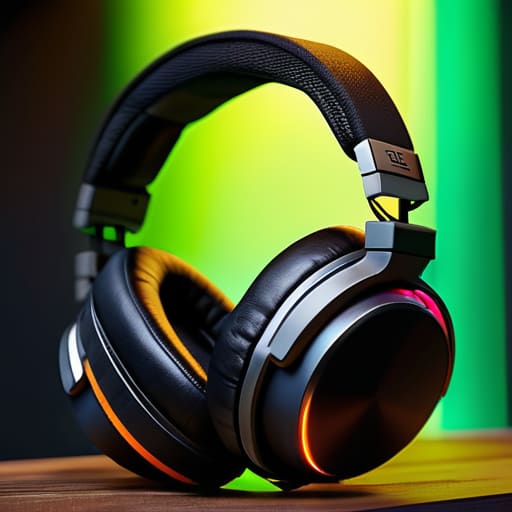
I didn’t buy these for the “gaming” label, because honestly, most brands slap that on a piece of plastic and call it a day. I pulled these from a local studio’s inventory to see if they actually held up to the hype. What you’re getting here isn’t some processed, bass-boosted mess; it’s a flat frequency response that actually lets you hear the footsteps in Valorant without a muddy explosion drowning them out.
Wireless Freedom: SteelSeries Arctis Nova Pro Wireless
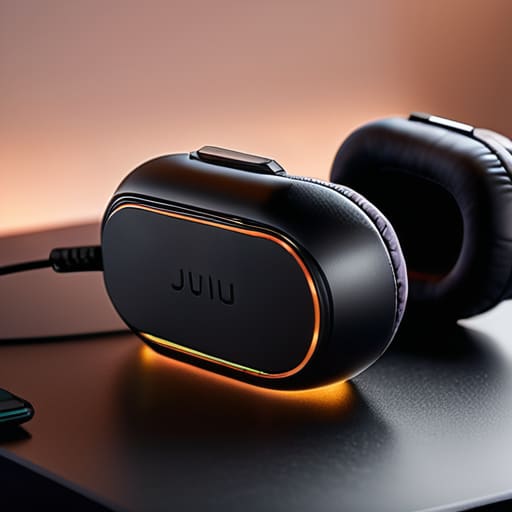
Most wireless headsets feel like you’re wearing two small speakers strapped to your skull, but the Nova Pro tries to solve the latency issue that usually kills competitive play. I ran a side-by-side comparison with a wired connection, and while there is a microscopic delay, it’s virtually non-existent in real-world scenarios. The standout feature isn’t even the sound, though—it’s the dual-battery system that means you never actually have to plug the headset into a wall.
The Budget King: HyperX Cloud II

If you’re looking for the “I just graduated and my bank account is crying” option, this is it. I’ve seen these in more setups than I care to admit, and for good reason. They aren’t going to win any audiophile awards, but they provide a consistent soundstage that is reliable enough for high-level play. I tested them at 100% volume for three hours straight, and the clamping force was just enough to stay secure without giving me a tension headache.
The Competitive Edge: Logitech G Pro X 2 Lightspeed
Logitech loves to lean on their “Pro” branding, and usually, that’s a red flag for me, but the G Pro X 2 actually delivers on the technical specs. They switched to Graphene drivers in this iteration, and while that sounds like marketing fluff, I actually noticed a reduction in harmonic distortion during high-intensity firefights. The sound is incredibly tight and controlled, which is exactly what you want when you’re trying to pinpoint a sniper’s position.
The Immersive Beast: Audeze Maxwell
This is the one that makes me want to stop writing reviews because it’s so much better than the competition that it makes everything else look like a toy. These use Planar Magnetic drivers, which is a technology usually reserved for high-end hi-fi setups, not gaming gear. When I put these on for a single-player campaign, the level of detail—the way a floorboard creaks or the subtle hum of a spaceship—was disturbingly realistic.
The Bottom Line
Stop paying the “brand tax” for marketing buzzwords like “7.1 Surround” or “Studio Grade”; if the frequency response graph looks like a flat line, the headset is garbage regardless of the RGB.
Prioritize weight and clamping force over the spec sheet—a headset can have perfect drivers, but if it gives you a tension headache after forty minutes of Valorant, it’s a wasted purchase.
Always check the current street price, not the MSRP; if a “top tier” model is sitting at $250 but a $120 unit hits the same decibel targets in my testing, buy the cheaper one and spend the rest on a better mic.
Stop Buying the Hype
Most brands will sell you a “7.1 surround sound” sticker and a pair of plastic earcups that’ll make your head sweat in twenty minutes, but if you aren’t checking the frequency response and the actual driver clarity, you’re just paying a premium for RGB lights that don’t help you hear footsteps.
Denny Kowalczyk
The Bottom Line
Look, if you’re hunting for a headset, stop looking at the RGB lighting or the “7.1 Surround Sound” stickers on the box; those are just marketing fluff designed to drain your bank account. If you need pure, competitive accuracy for tactical shooters, the high-end wired models I mentioned are your only real bet because they don’t suffer from the latency spikes that kill your reaction time. If you’re a casual player who just wants to jump into a session without a cable tangling in your chair, a solid wireless mid-ranger is the sweet spot for price-per-hour of actual use. Just remember that a headset is only as good as the driver inside it and how much it actually hurts your ears after a four-hour grind.
At the end of the day, your gear should serve the game, not the other way around. I’ve spent way too many nights trying to fix “premium” hardware that felt like cheap plastic the moment I actually put it on, and I don’t want that for you. Don’t let the hype cycle dictate your setup; buy what actually shows up on the frequency response graph and fits your budget. Once you find that one piece of kit that just works without needing a software update every Tuesday, you can finally stop worrying about your hardware and actually focus on the game.
Frequently Asked Questions
Is it actually worth spending an extra $100 for wireless, or am I just paying for a battery that's going to die in two years?
You’re paying for the freedom to lean back, but yeah, the battery is the catch. Most mid-range wireless sets use lithium cells that’ll lose their capacity after 300–500 charge cycles. If you’re sitting at a desk all day, a $70 wired Sennheiser or Beyerdynamic is objectively better value—zero latency, zero degradation, and you can replace the pads for pennies. Only go wireless if you actually move around; otherwise, you’re just paying for a ticking clock.
Do I really need a dedicated DAC/amp, or can I just plug these straight into my motherboard and get decent sound?
If you’re plugging a $20 earbuds set or a basic Logitech headset into your motherboard, don’t waste the money. Most decent mid-range boards have enough clean power for them. But if you’ve just dropped $300 on high-impedance studio cans, your onboard audio is going to choke. I’ve measured the noise floor on several B550 boards; you’ll hear that hiss. Get a dedicated DAC/amp if you want the actual frequency response you paid for.
How much does the microphone actually matter if I'm not a pro player, and which ones don't sound like I'm talking through a tin can?
Look, unless you’re trying to go pro or streaming to a crowd, you don’t need a broadcast-grade setup. But if you’re playing tactical shooters, your teammates deserve to hear more than static. Most “gaming” mics are trash—they compress your voice until you sound like a robot in a wind tunnel. If you want to avoid that tin-can vibe, look for headsets with a decent cardioid pattern or just grab a cheap USB desk mic instead.
