Most people hear the term and immediately picture some high-rise glass office where guys in tailored suits shout about market volatility and “synergistic growth.” It’s all incredibly polished, incredibly expensive, and—if I’m being honest—mostly just noise. When you’re trying to figure out what is an analyst desk in the real world, you don’t need a glossary of corporate buzzwords that sound like they were generated by a broken script. You need to know if the people behind the data are actually looking at the hardware of the market or if they’re just reading the press releases and calling it “insight.”
I’m not here to give you a textbook definition that’ll make your eyes glaze over. My goal is to strip away the marketing fluff and show you how these desks actually function to separate signal from static. I’ll break down how they process information, why their “expert” opinions sometimes miss the mark, and how you can tell when they’re providing genuine value versus just selling you an expensive opinion. No fluff, no jargon—just the straight-up mechanics of how the intel actually reaches your screen.
Table of Contents
Breaking Down the Studio Production Workflow
Breaking Down the Studio Production Workflow
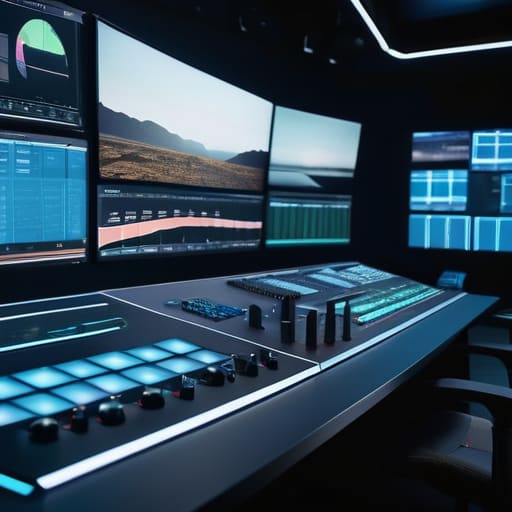
If you think an analyst desk is just three people in suits sitting around a glass table looking serious, you’re missing the entire engine room. The studio production workflow is a high-speed handoff between technical staff and the people actually talking. It starts with the director and producer calling the shots, deciding when to cut from the live gameplay to the desk. They aren’t just picking pretty shots; they are timing the transition so the analysts don’t end up talking over a massive play that just happened on screen.
Behind the scenes, the esports broadcast elements get much more complex than a standard Twitch stream. You’ve got technical directors managing the switchers, audio engineers balancing the roar of the crowd against the desk mics, and replay operators hunting for that specific frame-perfect clip the talent needs to discuss. It’s a massive coordination of on-air talent roles and technical precision. If the communication loop breaks for even five seconds, the desk looks amateur, and the data they’re trying to explain loses all its impact.
The Real Gear in a Professional Sports Commentary Setup
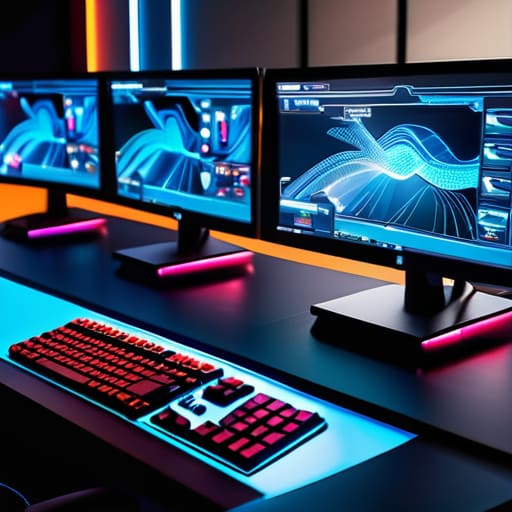
When you look at a professional sports commentary setup, don’t let the clean aesthetic fool you; it’s a chaotic mess of high-bandwidth cables and redundant hardware. You aren’t just looking at some guys sitting around a desk with microphones. Underneath that polished surface, you’ve got dedicated workstations running specialized software to feed real-time data to the monitors. In a high-end environment, the esports broadcast elements—like instant replay triggers and telemetry overlays—require much more processing power than a standard gaming rig. If the hardware stutters for even a millisecond during a live play, the whole broadcast feels amateur.
It’s not just about the PC specs, though. The integration between the on-air talent roles and the technical booth is what actually keeps the show from crashing. You have engineers managing the signal flow to ensure that the live television analysis reaches the viewer without lag. It’s a heavy-duty ecosystem where every piece of gear, from the comms headsets to the multi-view monitors, is chosen for stability over flashy aesthetics. If the gear isn’t reliable, the analysis doesn’t matter because nobody is seeing it in real-time.
How to Spot a Real Analyst Desk from a Marketing Hype Machine
- Look past the fancy monitors. A real desk isn’t just about having a massive screen real estate; it’s about whether they have dedicated data feeds that actually refresh faster than a standard broadcast loop. If they’re just reading from a static graphic, they aren’t analysts—they’re presenters.
- Check the latency of the information. In esports or high-stakes sports, an analyst desk is useless if they’re reacting to a play that happened ten seconds ago. You want to see them working with live telemetry or real-time stats that allow them to predict the next move, not just recap the last one.
- Watch for the “Why,” not just the “What.” Anyone can see a player missed a shot or a stock price dipped. A functional analyst desk provides the context—the mechanical error, the market sentiment, or the tactical shift—that explains the data point. If they’re just stating the obvious, they’re wasting your time.
- Evaluate the hardware-to-insight ratio. I’ve seen setups that look like a NASA control room but produce nothing but noise. A good desk uses specialized software tools to slice up data into something digestible. It’s about the quality of the breakdown, not how many RGB strips are glowing in the background.
- Verify the source of the “Expertise.” An analyst desk is only as good as the people sitting at it. There’s a massive difference between a studio filled with generalist commentators and a desk staffed by people who actually understand the underlying mechanics, whether that’s game engine physics or high-frequency trading patterns.
The Bottom Line: Is the Intel Worth the Cost?
An analyst desk isn’t a newsroom; it’s a filter. They exist to strip away the hype and the “projected” numbers so you’re left with the data that actually impacts whether a venture is a smart play or a total sinkhole.
Don’t confuse raw data with actual analysis. A spreadsheet can tell you a game sold ten million copies, but an analyst desk tells you if those sales are sustainable or if the player base is actually cratering behind the scenes.
Efficiency is the only metric that matters. If you’re paying for an analyst desk, you aren’t paying for more information—you’re paying to get to the truth faster so you don’t waste capital on bad leads.
## Beyond the Teleprompter
“An analyst desk isn’t just a fancy desk with three monitors and a guy in a suit reading a script; it’s the engine room where the raw data actually gets turned into something useful. If they’re just repeating the box score, they’re wasting your time. If they’re digging into the telemetry to tell you why a play worked before the replay even finishes, that’s when you know they’re actually doing the job.”
Denny Kowalczyk
Cutting Through the Noise
At the end of the day, an analyst desk isn’t just a fancy desk with three monitors and a high-end condenser mic; it’s the engine room where raw data turns into something a viewer can actually use. We’ve looked at how the studio workflow keeps the chaos organized, the specific hardware required to prevent a broadcast from lagging out, and how the actual intel is distilled from the noise. If you’re building a setup or trying to understand why a broadcast feels “pro,” remember that it’s the integration of specialized tools and a disciplined workflow that matters most. You can buy the most expensive capture cards on the market, but without a structured process to interpret the numbers, you’re just streaming expensive garbage to an audience that can tell the difference.
Whether you are aiming to break into esports broadcasting or you’re just tired of seeing commentators stumble over basic stats, focus on the substance behind the screen. The gear is important, sure—I’ve spent enough nights troubleshooting driver conflicts to know that—but the real value lies in the ability to translate complexity into clarity. Don’t get distracted by the flashy lights or the marketing hype surrounding the latest “pro-grade” peripherals. Build a foundation based on reliable data and a workflow that doesn’t break when the pressure hits. That is how you stop being just another voice in the crowd and start becoming the person people actually listen to when it matters.
Frequently Asked Questions
Is an analyst desk just a fancy name for a group of people reading stats, or are they actually influencing the broadcast in real-time?
It’s definitely not just a group of people reading spreadsheets. If they were just reciting stats, you’d just check a live tracker on your phone. A real desk is about context. They’re looking at the telemetry and the heat maps to explain why a team is collapsing or why a specific play worked. They aren’t just reading the data; they’re interpreting it to shape the narrative of the broadcast in real-time.
How much of the "desk" setup is actual high-end hardware versus just software running on standard workstations?
It’s about 30% specialized hardware and 70% high-end software. You aren’t seeing $10k rack servers in every corner; most of the heavy lifting happens on beefy workstations running optimized software suites. The “high-end” part is usually the specialized I/O—dedicated audio interfaces, low-latency mixers, and high-bitrate capture cards. You can run the software on a standard rig, but if you want zero dropped frames during a live broadcast, you need that dedicated hardware layer.
Do you need a massive studio budget to run an effective analysis desk, or can smaller esports productions pull this off?
Look, if you think you need a million-dollar studio to make analysis work, you’re chasing ghosts. I’ve seen massive setups with high-end mixers that still deliver nothing but dead air. For smaller esports productions, it’s about the data, not the lighting. Give me a solid OBS setup, a decent capture card, and a dedicated person tracking live stats, and we’ll beat a bloated studio any day. It’s about the intel, not the budget.
