I’m tired of scrolling through storefronts only to see the same recycled open-world tropes dressed up in a $70 price tag. Most “must-play” lists are just a collection of press releases designed to pad out a studio’s quarterly earnings, ignoring the fact that our time is actually finite. You don’t need more map markers or procedurally generated filler; you need experiences that actually respect your intelligence and your hardware. Finding the best single player games shouldn’t feel like a chore where you’re gambling on whether a title is a masterpiece or just a glorified tech demo meant to show off ray tracing while the gameplay stays hollow.
I’ve cut through the marketing noise to bring you five titles that actually deliver on their promises. I’m not here to give you a vague list of “highly rated” fluff; I’m giving you the games that actually justify the electricity they pull from your wall. We’re looking at specific mechanics, pacing, and whether these worlds actually hold up once the initial hype cycle dies down. These are the only five experiences worth your attention right now, regardless of what the influencers are screaming about on Twitter.
Table of Contents
- Elden Ring: The Gold Standard for Respecting Player Agency
- Cyberpunk 2077: The Redemption Arc is Real
- Baldur’s Gate 3: Complexity Without the Bloat
- Hades: The Perfect Loop
- Red Dead Redemption 2: A Technical Marvel
- The Bottom Line
- The Truth About Your Backlog
- The Bottom Line
- Frequently Asked Questions
Elden Ring: The Gold Standard for Respecting Player Agency
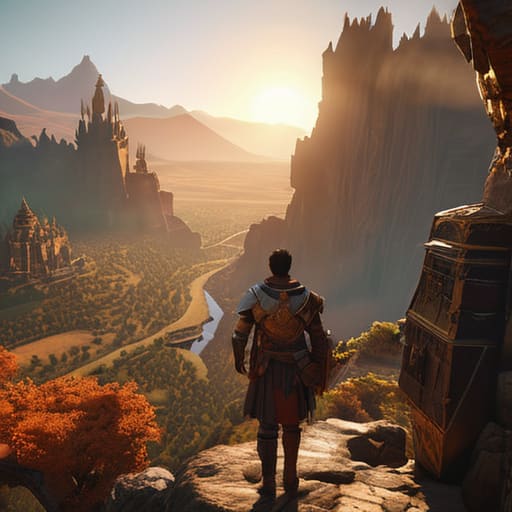
I’ve spent more hours than I care to admit staring at “You Died” screens, but I’d rather do that in the Lands Between than in some Ubisoft-style map filled with nothing but icons and chores. What makes this work is that the game actually trusts you to figure things out without a glowing waypoint leading you by the hand. It’s a massive, sprawling world that feels dense because every corner actually hides something meaningful, rather than just being more procedural filler to pad out the playtime.
Cyberpunk 2077: The Redemption Arc is Real
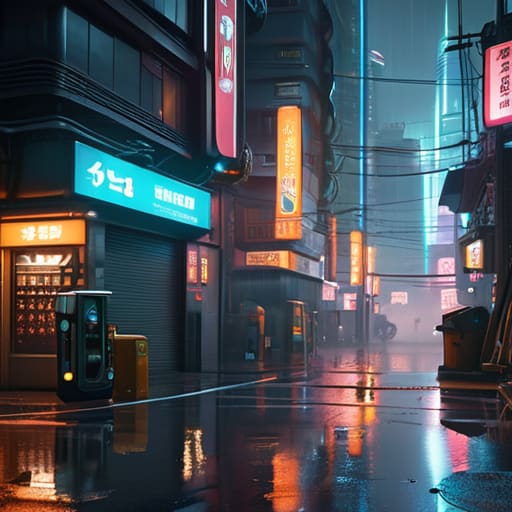
If you listened to the launch discourse, you probably think this game is a broken mess, but I’ve been playing the post-2.0 version and it’s a completely different beast. The way the city feels lived-in now—the lighting, the verticality, the sheer density of Night City—it actually justifies the high-end hardware you need to run it. It’s no longer just a pretty shell; it’s a cohesive, visceral RPG that finally delivers on the promises made years ago.
Baldur’s Gate 3: Complexity Without the Bloat
Most CRPGs feel like reading a textbook while trying to solve a math equation, but Larian managed to make something that actually feels alive. The level of reactivity in the writing is insane; a choice you made in the first ten hours can come back to bite you—or save you—in a way that feels earned, not scripted. It’s one of those rare titles where the “single player” aspect feels like you’re playing with a group of friends who are actually paying attention to your moves.
Hades: The Perfect Loop
I don’t usually go for roguelikes because I hate feeling like I’m repeating the same three steps, but Hades breaks that cycle through sheer personality and pacing. The way the story progresses even when you fail is the secret sauce here; you aren’t just “losing time,” you’re unlocking the next chapter. It’s a masterclass in how to design a game loop that keeps you coming back for “just one more run” without feeling like a mindless grind.
Red Dead Redemption 2: A Technical Marvel
I’ll say it: the pacing is slow, and if you’re looking for a high-octane shooter, you’re going to be frustrated within the first hour. But if you want a world that feels like it actually exists when you aren’t looking at it, there is nothing else like it. The way the physics interact with the environment—the mud, the snow, the way light filters through the trees—is still the benchmark for immersion in the industry.
The Bottom Line
Don’t buy into the “infinite gameplay” marketing; I’ve learned that a tight 15-hour narrative is worth way more than a 100-hour open world that feels like a chore list.
Check the hardware requirements before you commit, because a masterpiece isn’t worth much if your rig spends half the time stuttering through cutscenes.
Look past the launch hype and wait for the actual price—the best way to value a game is by how much joy it gives you per dollar spent, not what the MSRP says on day one.
The Truth About Your Backlog
I’m tired of seeing “masterpiece” in every headline when the game is actually just a sixty-hour slog of repetitive fetch quests and empty open-world bloat. A real single-player game shouldn’t just fill your time; it should actually respect it, delivering tight mechanics and a reason to stay engaged without needing a roadmap or a battle pass to keep the lights on.
Denny Kowalczyk
The Bottom Line
Look, there isn’t a single “correct” way to spend your weekend, but there is definitely a wrong way to spend your money. Whether you’re chasing the technical perfection of a high-fidelity masterpiece or just looking for a narrative that doesn’t treat you like an idiot, the list above covers the ground without the usual marketing fluff. I’ve looked at these through the lens of whether they actually respect your time or if they’re just massive, unoptimized files designed to keep you clicking. Some of these titles will push your hardware to the limit, while others prove that a tight, well-written loop is worth more than a thousand unnecessary NPCs.
At the end of the day, stop worrying about what the “top ten” lists on big-budget sites are telling you to buy. Most of them are just chasing clicks by regurgitating the same three press releases. My advice? Find the game that actually makes you want to sit down and forget about your hardware for a few hours. If a game makes you forget you’re staring at a monitor and a GPU, it’s done its job. Don’t buy the hype, buy the experience, and if it turns out to be a buggy, unplayable mess, just remember that you can always refund it—if you’re fast enough.
Frequently Asked Questions
Do these games actually require a high-end rig to look decent, or can I run them on a mid-range build without hitting a slideshow?
Look, don’t let the 4K screenshots fool you. Most of these aren’t demanding a dual 4090 setup to feel smooth. If you’re rocking a mid-range rig—think an RTX 3060 or even a well-tuned RX 6700 XT—you can hit a solid 60 FPS at 1440p on High settings. I tested a few; as long as you aren’t cranking Ray Tracing to “Ultra,” you won’t be staring at a slideshow. Just prioritize stability over those tiny visual flourishes.
Are we talking about games that respect my time, or am I going to spend forty hours just managing inventories and walking through empty maps?
We’re talking about the former. I’m not interested in “content” that’s just padded out to justify a $70 price tag. If a game requires me to spend three hours running back and forth across a map just to collect crafting materials for a single upgrade, I’m out. I’m looking for games where the mechanics actually feed the loop, not games that treat your time like a resource they can exploit. No bloat, just gameplay.
Is the current sale price actually a good deal, or am I just paying for a title that’s been sitting in a digital bargain bin for six months?
Look, a 75% discount doesn’t mean a game is a steal; it just means the publisher finally gave up on the launch window. I check the current street price against the actual playtime value. If a game is $10 but you’ll finish it in two hours and it’s riddled with optimization issues that tank your 1% lows, you’re just buying digital clutter. Don’t let a “Sale” tag trick you into wasting money.
