Explaining how esports rankings work.

How Team Rankings Are Calculated

Stop looking at those flashy, gold-bordered leaderboards like they’re some kind of objective truth. I spent three years building PCs for people who thought a higher number always meant a better machine, and I’ve realized most esports fans fall for the same trap with tournament standings. Most people think they understand how esports rankings work, but they’re usually just staring at a polished UI designed to mask a mess of arbitrary math and biased seeding. If you think a team is “top tier” just because they climbed a specific ladder, you’re probably falling for the marketing hype rather than the actual performance data.

I’m not here to give you a lecture on complex algorithmic evaluations or some textbook definition of Elo. I’ve spent enough time dissecting hardware and analyzing frame-time consistency to know that if the math doesn’t hold up under pressure, the result is garbage. In this guide, I’m stripping away the fluff to show you the actual mechanics behind the points. I’ll show you where the numbers are lying to you and, more importantly, how to spot the real contenders before the prize pool is already gone.

Table of Contents

Elo Rating System Explained More Than Just a Number

Elo Rating System Explained More Than Just a Number

Most people think an Elo rating is just a scoreboard, but it’s actually a mathematical prediction of who’s going to win. If you’ve ever felt cheated because you lost points after a “win,” you’re probably seeing the elo rating system explained in real-time. The system doesn’t just care that you won; it cares who you beat. If you’re a low-tier player and you take down a pro, the math sees that as a massive statistical anomaly and swings your points wildly. Conversely, if you’re at the top and you lose to a scrub, the system assumes you’ve been coasting and guts your rating to compensate.

This is where the impact of match difficulty on points becomes everything. It’s not a flat reward system; it’s a weighted calculation designed to find your ceiling. In high-level play, this is what drives the most intense matchmaking. The algorithm isn’t trying to give you a “fun” game; it’s trying to find the exact point where your win probability is 50/50. It’s frustrating when you’re on a losing streak, but that’s just the math trying to find where you actually belong.

Competitive Matchmaking Algorithms and the Search for Fair Play

Competitive Matchmaking Algorithms and the Search for Fair Play

Once you move past the basic math of an Elo rating, you hit the real black box: competitive matchmaking algorithms. This is where the “fun” ends and the data science begins. Most modern titles don’t just look at your wins and losses; they’re hunting for professional player skill metrics hidden inside your every move. They’re tracking your accuracy, your reaction times, and how much you’re actually contributing to an objective versus just padding your K/D ratio. The goal is to find a match so perfectly balanced that you don’t even realize the system spent thirty seconds crunching numbers to ensure you had a 50% chance of losing.

The problem is that these algorithms are often trying to solve for two different things at once: fairness and engagement. A truly fair match might take ten minutes to find, but the devs want you in a lobby now. To fix this, they use coefficient-based ranking methods to bridge the gap, essentially widening the skill bracket to keep queue times low. It’s a constant tug-of-war between finding a mathematically perfect opponent and making sure you don’t alt-f4 out of boredom because the matchmaking took too long.

Stop Chasing Numbers: 5 Ways to Actually Read a Leaderboard

  • Ignore the absolute rank; focus on the delta. Being rank 500 in a massive ladder is a different beast than being rank 500 in a niche fighting game. The total player pool dictates how much every single win actually moves your position.
  • Watch out for “inflated” tiers. Some ranking systems reward volume—just playing a hundred games a week—while others reward pure win rate. If you see a pro player sitting in a mid-tier rank, check if the system prioritizes playtime over skill density.
  • Don’t mistake MMR for visible rank. Your visible badge (Gold, Platinum, Diamond) is usually just a cosmetic skin for the actual hidden math underneath. If your visible rank says you’re a god but you’re getting stomped, your hidden MMR is the only number that matters.
  • Factor in the “smurf” tax. High-level rankings are often skewed by players using fresh accounts to stomp lower tiers. If the leaderboard looks top-heavy with names you’ve never heard of, the matchmaking algorithm is likely failing to catch skill outliers quickly enough.
  • Look at the volatility, not just the peak. A player who hits Rank 1 for a single afternoon and then disappears isn’t a legend; they’re a statistical anomaly. Real consistency is found in players who maintain a high win percentage across thousands of games, not those who peaked during a single tournament weekend.

The TL;DR on why your rank feels broken

Rankings aren’t a measure of how “good” you are in a vacuum; they are just a mathematical way to predict how likely you are to win your next match.

Most systems prioritize “fairness” (keeping you at a 50% win rate) over “skill expression,” which is why you can feel like you’re playing like a pro but your rank won’t budge.

Don’t treat a number on a profile like a personality trait—algorithms are designed to keep you playing, not necessarily to tell the absolute truth about your talent.

The Math vs. The Match

Most ranking systems are just glorified math equations trying to turn human skill into a predictable number, but they always miss the context—they can tell you a player won, but they can’t tell you if they won because they’re a god or because the matchmaking algorithm decided it was time for them to finally have a win.

Denny Kowalczyk

The Bottom Line on the Numbers

The Bottom Line on the Numbers.

Look, at the end of the day, whether it’s a strict Elo calculation or a proprietary matchmaking algorithm designed to keep you playing for another six hours, these systems aren’t perfect. They are just math trying to solve a human problem: how to categorize skill in a game that’s constantly changing. We’ve seen how Elo tries to track your actual win probability and how matchmaking tries to balance the lobby, but both methods have blind spots. A rank is just a snapshot of your performance within a specific set of rules, and it rarely captures the full picture of how good you actually are when the meta shifts or the ping spikes.

Don’t let a digital number define your entire identity as a player. I’ve seen pros tilt because they dropped a tier, and I’ve seen casuals climb because they hit a lucky streak, but neither of those things changes the actual skill on the screen. Use the rankings to find better games and test your limits, but remember that the real progress happens in the practice, not the leaderboard. Stop chasing the perfect rank and start focusing on the mechanics that actually make you better. The numbers are just there to give you a direction; you’re the one doing the driving.

Frequently Asked Questions

If the Elo system is so good, why do my rank and my actual skill level feel like they're in two different zip codes?

Because Elo wasn’t built for modern matchmaking; it was built for chess. In a 1v1, the math is clean. In a 5v5 or a 100-player Battle Royale, the system is trying to calculate a moving target of variables like role proficiency, teamwork, and even “clutch” factor that a single number can’t touch. You’re seeing “rank inflation” or “decay” trying to smooth out the noise, but it usually just results in that massive gap between your badge and your actual impact.

How much do tournament organizers actually weight "clutch" moments versus raw statistical performance when calculating these rankings?

The short answer? Most systems don’t care about the “clutch” factor at all. If you’re looking at a standard Elo or MMR system, a 1v5 miracle play is just a win—the math only sees the outcome, not the sweat. Tournament organizers who use custom proprietary metrics might weight high-impact plays, but it’s usually just a way to spice up their broadcast. If it isn’t in the raw data, the ranking engine isn’t seeing it.

Is there a way to tell if a leaderboard is being manipulated by professional teams playing "rank grinding" matches to inflate their seeding?

Look for the “unnatural” win streaks. If a pro team is grinding, you’ll see a massive spike in match frequency paired with a suspiciously consistent win rate against mid-tier opponents. Real competitive play is volatile; even the best teams drop maps. If a roster’s MMR is climbing linearly without the typical dips that come from fatigue or variance, they aren’t just playing well—they’re farming points to secure a soft seeding.

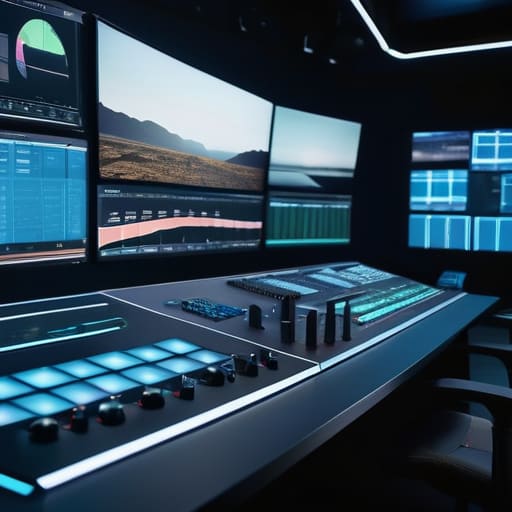
Understanding what is an analyst desk.

The Analyst Desk: What They Add to a Broadcast

Most people hear the term and immediately picture some high-rise glass office where guys in tailored suits shout about market volatility and “synergistic growth.” It’s all incredibly polished, incredibly expensive, and—if I’m being honest—mostly just noise. When you’re trying to figure out what is an analyst desk in the real world, you don’t need a glossary of corporate buzzwords that sound like they were generated by a broken script. You need to know if the people behind the data are actually looking at the hardware of the market or if they’re just reading the press releases and calling it “insight.”

I’m not here to give you a textbook definition that’ll make your eyes glaze over. My goal is to strip away the marketing fluff and show you how these desks actually function to separate signal from static. I’ll break down how they process information, why their “expert” opinions sometimes miss the mark, and how you can tell when they’re providing genuine value versus just selling you an expensive opinion. No fluff, no jargon—just the straight-up mechanics of how the intel actually reaches your screen.

Table of Contents

Breaking Down the Studio Production Workflow

Breaking Down the Studio Production Workflow

Breaking Down the Studio Production Workflow

If you think an analyst desk is just three people in suits sitting around a glass table looking serious, you’re missing the entire engine room. The studio production workflow is a high-speed handoff between technical staff and the people actually talking. It starts with the director and producer calling the shots, deciding when to cut from the live gameplay to the desk. They aren’t just picking pretty shots; they are timing the transition so the analysts don’t end up talking over a massive play that just happened on screen.

Behind the scenes, the esports broadcast elements get much more complex than a standard Twitch stream. You’ve got technical directors managing the switchers, audio engineers balancing the roar of the crowd against the desk mics, and replay operators hunting for that specific frame-perfect clip the talent needs to discuss. It’s a massive coordination of on-air talent roles and technical precision. If the communication loop breaks for even five seconds, the desk looks amateur, and the data they’re trying to explain loses all its impact.

The Real Gear in a Professional Sports Commentary Setup

The Real Gear in a Professional Sports Commentary Setup.

When you look at a professional sports commentary setup, don’t let the clean aesthetic fool you; it’s a chaotic mess of high-bandwidth cables and redundant hardware. You aren’t just looking at some guys sitting around a desk with microphones. Underneath that polished surface, you’ve got dedicated workstations running specialized software to feed real-time data to the monitors. In a high-end environment, the esports broadcast elements—like instant replay triggers and telemetry overlays—require much more processing power than a standard gaming rig. If the hardware stutters for even a millisecond during a live play, the whole broadcast feels amateur.

It’s not just about the PC specs, though. The integration between the on-air talent roles and the technical booth is what actually keeps the show from crashing. You have engineers managing the signal flow to ensure that the live television analysis reaches the viewer without lag. It’s a heavy-duty ecosystem where every piece of gear, from the comms headsets to the multi-view monitors, is chosen for stability over flashy aesthetics. If the gear isn’t reliable, the analysis doesn’t matter because nobody is seeing it in real-time.

How to Spot a Real Analyst Desk from a Marketing Hype Machine

  • Look past the fancy monitors. A real desk isn’t just about having a massive screen real estate; it’s about whether they have dedicated data feeds that actually refresh faster than a standard broadcast loop. If they’re just reading from a static graphic, they aren’t analysts—they’re presenters.
  • Check the latency of the information. In esports or high-stakes sports, an analyst desk is useless if they’re reacting to a play that happened ten seconds ago. You want to see them working with live telemetry or real-time stats that allow them to predict the next move, not just recap the last one.
  • Watch for the “Why,” not just the “What.” Anyone can see a player missed a shot or a stock price dipped. A functional analyst desk provides the context—the mechanical error, the market sentiment, or the tactical shift—that explains the data point. If they’re just stating the obvious, they’re wasting your time.
  • Evaluate the hardware-to-insight ratio. I’ve seen setups that look like a NASA control room but produce nothing but noise. A good desk uses specialized software tools to slice up data into something digestible. It’s about the quality of the breakdown, not how many RGB strips are glowing in the background.
  • Verify the source of the “Expertise.” An analyst desk is only as good as the people sitting at it. There’s a massive difference between a studio filled with generalist commentators and a desk staffed by people who actually understand the underlying mechanics, whether that’s game engine physics or high-frequency trading patterns.

The Bottom Line: Is the Intel Worth the Cost?

An analyst desk isn’t a newsroom; it’s a filter. They exist to strip away the hype and the “projected” numbers so you’re left with the data that actually impacts whether a venture is a smart play or a total sinkhole.

Don’t confuse raw data with actual analysis. A spreadsheet can tell you a game sold ten million copies, but an analyst desk tells you if those sales are sustainable or if the player base is actually cratering behind the scenes.

Efficiency is the only metric that matters. If you’re paying for an analyst desk, you aren’t paying for more information—you’re paying to get to the truth faster so you don’t waste capital on bad leads.

## Beyond the Teleprompter

“An analyst desk isn’t just a fancy desk with three monitors and a guy in a suit reading a script; it’s the engine room where the raw data actually gets turned into something useful. If they’re just repeating the box score, they’re wasting your time. If they’re digging into the telemetry to tell you why a play worked before the replay even finishes, that’s when you know they’re actually doing the job.”

Denny Kowalczyk

Cutting Through the Noise

Analyst desk cutting through the noise.

At the end of the day, an analyst desk isn’t just a fancy desk with three monitors and a high-end condenser mic; it’s the engine room where raw data turns into something a viewer can actually use. We’ve looked at how the studio workflow keeps the chaos organized, the specific hardware required to prevent a broadcast from lagging out, and how the actual intel is distilled from the noise. If you’re building a setup or trying to understand why a broadcast feels “pro,” remember that it’s the integration of specialized tools and a disciplined workflow that matters most. You can buy the most expensive capture cards on the market, but without a structured process to interpret the numbers, you’re just streaming expensive garbage to an audience that can tell the difference.

Whether you are aiming to break into esports broadcasting or you’re just tired of seeing commentators stumble over basic stats, focus on the substance behind the screen. The gear is important, sure—I’ve spent enough nights troubleshooting driver conflicts to know that—but the real value lies in the ability to translate complexity into clarity. Don’t get distracted by the flashy lights or the marketing hype surrounding the latest “pro-grade” peripherals. Build a foundation based on reliable data and a workflow that doesn’t break when the pressure hits. That is how you stop being just another voice in the crowd and start becoming the person people actually listen to when it matters.

Frequently Asked Questions

Is an analyst desk just a fancy name for a group of people reading stats, or are they actually influencing the broadcast in real-time?

It’s definitely not just a group of people reading spreadsheets. If they were just reciting stats, you’d just check a live tracker on your phone. A real desk is about context. They’re looking at the telemetry and the heat maps to explain why a team is collapsing or why a specific play worked. They aren’t just reading the data; they’re interpreting it to shape the narrative of the broadcast in real-time.

How much of the "desk" setup is actual high-end hardware versus just software running on standard workstations?

It’s about 30% specialized hardware and 70% high-end software. You aren’t seeing $10k rack servers in every corner; most of the heavy lifting happens on beefy workstations running optimized software suites. The “high-end” part is usually the specialized I/O—dedicated audio interfaces, low-latency mixers, and high-bitrate capture cards. You can run the software on a standard rig, but if you want zero dropped frames during a live broadcast, you need that dedicated hardware layer.

Do you need a massive studio budget to run an effective analysis desk, or can smaller esports productions pull this off?

Look, if you think you need a million-dollar studio to make analysis work, you’re chasing ghosts. I’ve seen massive setups with high-end mixers that still deliver nothing but dead air. For smaller esports productions, it’s about the data, not the lighting. Give me a solid OBS setup, a decent capture card, and a dedicated person tracking live stats, and we’ll beat a bloated studio any day. It’s about the intel, not the budget.

Understanding how amateur leagues work.

Amateur Leagues and the Road From Ladder to Stage

I spent three months last year chasing a “semi-pro” circuit that promised high-tier scouting and professional-grade matchmaking, only to realize I was paying a fifty-dollar entry fee to play against twelve-year-olds in a Discord server that hadn’t been moderated since 2022. Most of the glossy brochures and “official” websites won’t tell you the truth about how amateur leagues work; they want you to think there’s a polished ladder waiting for you, but usually, it’s just a chaotic mess of unoptimized spreadsheets and broken scheduling. It’s a lot like buying a pre-built PC with a “gaming” sticker that’s actually just running a single stick of slow RAM—it looks fine on the box, but the actual performance is a joke once you get into the weeds.

I’m not here to sell you on the dream of a professional contract or some overpriced membership tier. I’m going to strip back the fluff and show you the actual mechanics of these setups, from the way they handle player disputes to what your entry fee is really funding. By the end of this, you’ll know exactly how to spot a legitimate competitive environment and how to avoid wasting your time on leagues that are nothing more than glorified group chats.

Table of Contents

Grassroots Tournament Organizers the Engine Under the Hood

Grassroots Tournament Organizers the Engine Under the Hood

If you think these leagues just appear out of thin air because someone opened a Discord server, you’re missing the actual mechanics. The real heavy lifting is done by grassroots tournament organizers—usually just a handful of people running on caffeine and sheer spite. They aren’t sitting in corporate offices with massive budgets; they’re the ones managing bracket integrity, arguing with players about rulebooks, and trying to make sure a single lag spike doesn’t ruin a three-month season. They are the connective tissue in the competitive gaming ecosystem, providing the actual structure that keeps things from devolving into a chaotic mess of “who played who first.”

These organizers are essentially building the esports ladder systems that allow talent to actually rise. Without them, there is no bridge between “playing in your bedroom” and “getting signed to a pro contract.” They create the pressure cookers where players learn how to handle high-stakes matches and team comms. It’s messy, and the production value might be lower than a Tier 1 broadcast, but this is where the semi-pro player development actually happens. You don’t get to the big stages without surviving these smaller, unglamorous gauntlets first.

Amateur Tournament Structures Where the Real Competition Lives

Amateur Tournament Structures Where the Real Competition Lives

Most people think the path to professional esports is a straight line from your bedroom to a stadium stage, but the reality is a messy, fragmented web of esports ladder systems and local brackets. You aren’t going to find a unified governing body here; instead, you’ve got everything from Discord-run skirmishes to regional LANs that actually have some teeth. These amateur tournament structures are the true testing grounds. They aren’t polished, and the prize pools might just be a few gift cards or a discount on a custom mechanical keyboard, but they provide the only data that matters: how you perform when the lag spikes and the pressure hits.

It’s less about the spectacle and more about the grind of semi-pro player development. You’ll see players moving through tiered brackets where the skill gap isn’t a gentle slope, but a vertical wall. Some leagues operate on a strict seasonal model, while others are more “pick up and play,” which can be a nightmare for anyone trying to actually track their progress. If you’re looking for a structured way to climb, you have to learn to navigate this specific competitive gaming ecosystem without getting lost in the noise of unorganized lobbies.

The Amateur League Survival Kit: What Actually Matters When the Servers Go Live

  • Stop chasing the “Pro” aesthetic. I’ve seen dozens of amateur leagues burn out in three months because they spent their entire budget on custom overlays and high-end streaming assets instead of a reliable Discord bot or a basic tournament management tool. If your bracket system breaks, no amount of neon branding is going to save your reputation.
  • Prioritize rulebook clarity over “vibes.” In a professional setting, you have lawyers to hash out disputes; in an amateur league, you just have a heated argument in a general chat. Write down your rules for tie-breakers, disconnects, and roster changes before the first match starts. If it isn’t in the document, it doesn’t exist.
  • Build for the players, not the spectators. Most amateur setups fail because they try to mimic the LCS or VCT production style without the budget to back it up. Focus on low-latency communication and easy check-in processes. A player who can actually connect to their match without a headache is worth more than a thousand viewers watching a laggy stream.
  • Watch your prize pool math. If you’re running a paid entry league, do not—under any circumstances—promise a massive payout that relies on “future sponsorships.” I’ve seen too many organizers go dark when they realize they can’t cover the prize money. Keep it sustainable: small entry fees, modest payouts, and a focus on the grind.
  • The “Admin” is your most important spec. A league is only as stable as its moderation. You don’t need a massive staff, but you do need people who actually know the game’s mechanics and can make a call on a disputed play in under sixty seconds. If your admins are just friends who “kind of” know the rules, your league will crash faster than a budget PSU under load.

The Bottom Line: What You’re Actually Signing Up For

Don’t expect professional-grade production; most amateur leagues are held together by Discord mods and sheer willpower, so focus on the quality of the matches rather than the stream quality.

The real ladder isn’t always the one on the official website; keep an eye on local community hubs and private tournament organizers if you actually want to get noticed by scouts.

Your time is your most valuable resource—if a league’s scheduling is a mess and the rulebook is a vague Google Doc, walk away before you waste a whole season on a dead-end circuit.

The Reality Check

“Forget the polished Twitch streams and the professional-looking brackets for a second; an amateur league is basically just a group of people trying to keep a server running and a schedule from collapsing while playing for nothing but bragging rights and maybe a gift card. If you want to know how they actually work, stop looking at the trophy and start looking at the Discord logs.”

Denny Kowalczyk

The Bottom Line on Amateur Play

The Bottom Line on Amateur Play.

Look, if you’ve followed this far, you know that amateur leagues aren’t just some casual weekend hobby; they are a complex ecosystem of organizers, strict structures, and people who are often doing way more work for way less pay than a pro dev. We’ve looked at how the organizers act as the engine keeping everything from crashing, and how the tournament structures provide the actual framework that turns a group of players into a competitive community. It isn’t always pretty, and the “official” rules might not always match the reality of a Discord server at 2 AM, but that is exactly how the foundation is built. If you want to climb the ladder, you have to understand these mechanics, or you’ll just be another player spinning your wheels in a lobby with no direction.

At the end of the day, these leagues are the reason the esports scene even exists. Before the massive sponsorships and the stadium-filling finals, there were just people with decent hardware and a drive to prove they were better than the guy in the next chair. Don’t get too caught up in the lack of polish or the messy logistics; instead, focus on the fact that this is where real talent is forged. Whether you’re organizing a local bracket or just trying to win your first seed, remember that every pro you see on a broadcast started exactly where you are: fighting through the grassroots to find their footing.

Frequently Asked Questions

How much of my entry fee actually goes toward the prize pool versus paying for the server costs and organizers?

Here’s the breakdown: in a well-run amateur circuit, you’re looking at a 60/40 or 70/30 split. If the prize pool is taking 70% of the pot, the rest is covering the server hosting, platform fees, and the organizer’s time. If you see an entry fee where the prize pool is less than 50%, run. That’s not a tournament; that’s just a subscription service for someone else’s hobby.

Is there a way to tell if a league is actually scouting talent or just running a glorified social club?

Look at the VODs and the prize pools. If the league is just a “community mixer” with $50 gift cards and zero recorded matches, it’s a social club. You’re there to make friends, not get signed. A real scouting ground has structured match logs, consistent scheduling, and—most importantly—scouts or analysts actually watching the replays. If there’s no data trail for your performance, you aren’t being scouted; you’re just playing for clout.

What’s the real way to spot a "pay-to-win" structure hidden behind a professional-looking league website?

Look at the entry fee versus the prize pool. If you’re dropping $50 for a “pro-tier” slot but the grand prize is just a branded mousepad and a digital badge, you’re not a competitor; you’re the revenue. Real leagues scale through sponsors or high-stakes prize pools, not by nickel-and-diming players for “premium” matchmaking. If the site looks like a polished esports org but the prize-to-entry ratio is trash, run. It’s a scam.

Understanding what is burnout in esports.

Burnout: Why Esports Careers Are So Short

I remember sitting in my room at 3:00 AM, the only light coming from a dual-monitor setup that was running way too hot, staring at a ranked ladder that felt more like a prison sentence than a game. My hands were steady, but my brain felt like a CPU hitting 100 degrees with a failing pump—just stuttering through every decision. People love to overcomplicate this by calling it a “mental health crisis” or some vague psychological phenomenon, but when we talk about what is burnout in esports, we’re really talking about a system failure. It’s that specific moment when your APM drops, your reaction time hits a wall, and the game you used to live for starts feeling like a piece of obsolete hardware you just can’t bring yourself to boot up anymore.

I’m not here to give you a lecture or some sanitized, press-release version of mental health advice. I’ve seen enough pro players crash and burn to know that the industry treats humans like disposable GPUs—run them at max clock speeds until they fry, then swap them out for the next shiny thing. In this guide, I’m going to break down the actual mechanics of how this happens, the red flags you’re likely ignoring right now, and how to tell if you’re just having a bad week or if your entire career is about to thermal throttle.

Table of Contents

Decoding Pro Gamer Mental Fatigue and Cognitive Load

Decoding Pro Gamer Mental Fatigue and Cognitive Load

When you’re watching a pro player hit a frame-perfect combo or pull off a pixel-perfect clutch, you’re seeing the result of a brain running at overclocked speeds. But that level of performance comes with a massive cognitive load in professional gaming. It’s not just about twitch reflexes; it’s the constant processing of enemy cooldowns, map rotations, and utility tracking, all while managing the pressure of a live crowd. When that mental processing power starts to throttle, you don’t see a sudden crash—you see a gradual decay in decision-making.

This is where pro gamer mental fatigue sets in. It’s subtle at first. A player might still be hitting their mechanical marks, but they start making “autopilot” mistakes—missing a rotation or failing to track a simple cooldown. It’s like a PC that’s thermal throttling; the hardware is fine, but the performance is being choked by heat. If they don’t find a way to manage that stress, they aren’t just looking at a bad tournament; they’re looking at a massive hit to their esports career longevity.

Recognizing the Red Flags Real Signs of Gaming Burnout

Recognizing the Red Flags Real Signs of Gaming Burnout

It’s not just about feeling a bit sluggish after a twelve-hour scrim session. Real burnout looks more like a sudden, inexplicable drop in your mechanical ceiling. You’ll find yourself missing shots you’ve hit in your sleep for three years straight, or your reaction time—the one thing you used to rely on—starts feeling laggy, and no amount of high-refresh-rate hardware can fix it. If you’re staring at your monitor and the game feels like a chore rather than a challenge, you aren’t just “tilted”; you’re hitting a wall.

The physical signs are just as loud. I’ve seen players deal with chronic sleep issues and a complete loss of appetite because their nervous system is stuck in a permanent state of high-alert. This isn’t just part of the grind; it’s a massive red flag for esports competitive stress that most people ignore until it’s too late. When your motivation shifts from wanting to win to just wanting the session to end, you’re looking at the primary signs of gaming burnout. If you don’t catch it, you aren’t just losing rank—you’re losing the ability to actually enjoy the game.

The Patch Notes for Your Brain: How to Avoid a Total System Crash

  • Force a hard reset with non-gaming hobbies. If your only way to decompress is staring at a different monitor, you aren’t resting; you’re just changing the input. Go touch some grass or work on something tactile like a hardware repair—anything that doesn’t involve a refresh rate.
  • Set hard boundaries on “grind time.” There is a massive difference between high-level practice and mindless, repetitive queueing while you’re tilting. If your APM is dropping and your decision-making is lagging, close the client. Staying online won’t fix your mechanics; it’ll just bake the fatigue in.
  • Treat sleep like a critical system update. You wouldn’t run a heavy render on a machine with a failing PSU, so stop trying to play Tier 1 scrims on four hours of sleep. Cognitive load spikes when your brain is running on low voltage, and that’s when the mental errors become permanent.
  • Audit your social circle and comms. If your Discord or team environment is nothing but toxicity and pressure, it’s adding massive overhead to your mental processing. You need a space where you can talk shop without feeling like every missed shot is a career-ending mistake.
  • Learn to recognize the “phantom input” phase. When you start feeling like you’re playing on 200ms ping even though your connection is rock solid, that’s your brain desyncing. That’s not a hardware issue; it’s a signal that your mental capacity is maxed out and you need to step away before you hit a permanent crash.

The TL;DR on Not Redlining Your Brain

Burnout isn’t just a bad slump; it’s a systemic failure of your mental hardware caused by high cognitive load and zero downtime.

Watch for the red flags—if your APM is dropping and the game feels like a chore instead of a challenge, you’re already redlining.

Recovery isn’t a luxury; it’s a necessity if you want to avoid a permanent crash that no amount of practice can fix.

## The Hardware vs. The Human

“We talk about overclocking CPUs like it’s a badge of honor, but you can’t just swap out a pro player’s brain when the thermal throttling kicks in. In esports, burnout isn’t a software bug you can patch with a weekend off; it’s the moment the human hardware hits a hard limit and refuses to execute the commands anymore.”

Denny Kowalczyk

The Final Patch Notes

Preventing burnout in The Final Patch Notes.

At the end of the day, burnout isn’t some mysterious debuff that just happens to you; it’s the result of running your hardware at 100% capacity without ever checking the thermals. We’ve looked at how cognitive load shreds your reaction times and how those red flags—the irritability, the loss of interest, the physical exhaustion—are basically your brain’s way of sending a critical error log. If you ignore the warning signs and keep pushing for that extra rank, you aren’t just playing poorly; you are actively breaking your ability to compete. You can’t patch a fried nervous system with a single weekend off once the damage is already done.

My advice? Stop treating your brain like it’s a piece of infinite-uptime server hardware. Even the most high-end rigs need downtime to prevent thermal throttling, and you’re no different. If you want a career that lasts longer than a single season, you have to learn when to step away from the monitor and actually live your life outside the server. Building a sustainable path in esports isn’t about who can grind the most hours in a single day; it’s about who can manage their energy well enough to stay in the game for the long haul. Don’t let the grind turn your passion into a broken component.

Frequently Asked Questions

How do I tell the difference between a temporary slump in performance and actual, career-threatening burnout?

Look, a slump is a bad patch—you’re playing sub-optimally, but you still feel the itch to fix it. You’re frustrated, sure, but you’re still grinding. Burnout is different. It’s a hardware failure, not a software bug. If the thought of even booting up the client makes you feel physically heavy, or if you’ve lost the ability to care about the outcome of a match, that’s not a slump. That’s your system shutting down to prevent permanent damage.

Can a change in hardware or a better gaming setup actually help reduce the mental strain of high-level play?

Look, a new GPU won’t fix a fried brain, but bad hardware definitely accelerates the crash. If you’re fighting input lag or a monitor with a stuttery refresh rate, you’re adding unnecessary cognitive load to every single micro-adjustment. I’ve seen players tilt just because their peripherals feel “mushy.” Upgrading to a reliable, low-latency setup won’t cure burnout, but it stops your gear from being an extra source of friction in an already exhausting grind.

Is it possible to recover from burnout without having to step away from the competitive grind entirely?

You can, but you have to stop treating your brain like a GPU that can just overclock itself indefinitely. If you don’t, you’re just delaying the crash. It means aggressive boundary setting: strict “no-game” windows, swapping high-APM titles for something low-stakes, and actually fixing your sleep hygiene. You aren’t just “resting”; you’re recalibrating your mental hardware so you don’t hit a permanent thermal throttle. It’s about sustainable performance, not just grinding harder.

Understanding how esports contracts work.

Esports Contracts: Buyouts, Clauses and Common Traps

Everyone loves the highlight reel: the massive signing bonus, the custom jersey, and the photo op with a trophy. But if you actually look at the math, most of those “life-changing” deals are built on a foundation of smoke and mirrors. I’ve seen too many players get blinded by a flashy headline, only to realize six months later that they’ve signed away their streaming rights, their likeness, and half their prize pool just to sit in a gaming house. If you want to understand how esports contracts work, you have to stop looking at the sticker price and start looking at the clawback clauses and the fine print that turns a dream career into a legal nightmare.

I’m not here to give you a lecture on contract law or some sanitized version of what a PR agent wants you to hear. I’m going to strip these agreements down to the bare metal, just like I do when I’m diagnosing a bottlenecked PC build. We’re going to look at the actual numbers—the split between base salary and performance bonuses, the predatory buyout terms, and the real cost of being a pro. No hype, no fluff, just the facts you need so you don’t get played.

Table of Contents

Decoding Esports Player Salary Structures and Hidden Costs

Decoding Esports Player Salary Structures and Hidden Costs

When you look at a pro player’s monthly paycheck, you’re only seeing the tip of the iceberg. Most people assume a high number means a high standard of living, but esports player salary structures are rarely that straightforward. Often, that base salary is being heavily offset by what the org takes back in “expenses” or “training costs.” I’ve seen cases where a player thinks they’ve hit the jackpot, only to realize their net take-home is being cannibalized by travel logistics or housing fees that should have been covered by the org in the first place.

Then you have to talk about the real money-makers: streaming and sponsorship rights. This is where the fine print gets predatory. A contract might offer a decent salary, but if the clause on intellectual property in esports is written poorly, you might find yourself legally barred from monetizing your own likeness or even your personal Twitch channel without handing over a massive cut. If you aren’t looking at the percentage split on every single brand deal you sign, you aren’t getting paid; you’re just a walking billboard for someone else’s profit margin.

Standard Player Agreement Terms What They Arent Telling You

Standard Player Agreement Terms What They Arent Telling You

When you look at standard player agreement terms, you’re usually looking at a document designed to protect the org’s bottom line, not your career. Most of these contracts treat you like a piece of hardware—something to be used until the performance dips and then swapped out. I’ve seen too many players sign away their streaming and sponsorship rights without realizing they’ve essentially handed over the keys to their personal brand. If the contract says the org owns your likeness during “active competition periods,” check how broadly they define that. You don’t want to find out mid-offseason that you can’t sign a solo peripheral deal because your team claims they own your face.

Then there’s the fine print on the exit strategy. You need to scrutinize the termination clauses in gaming more than the actual salary number. If a team decides you’re no longer “brand compatible” or your social media engagement drops, can they cut you without pay? Or worse, can you leave if they fail to provide the bootcamp facilities promised? If you aren’t looking at the exit velocity of the deal, you’re just signing a lease on a house that’s already on fire.

The Survival Kit: 5 Ways to Not Get Screwed by Your First Contract

  • Watch the “Image Rights” clause like a hawk. If the contract says they own your likeness in perpetuity, they aren’t just selling your jersey; they’re potentially owning your face for every stream, sponsor, and clip you make for the next decade without seeing another cent.
  • Don’t mistake a high signing bonus for a real salary. I’ve seen guys get a fat check upfront only to realize the “base salary” is actually a collection of performance-based stipends that disappear the moment they have a bad tournament. Check the math on your guaranteed monthly take-home.
  • Look for the “Buyout” trap. Some orgs bake in astronomical buyout clauses that make it impossible for you to move to a better team even if you’re rotting on their bench. If the number is higher than the actual market value of your skill, they aren’t building a career; they’re building a cage.
  • Clarify the “Streaming and Content” split. If you’re expected to stream 30 hours a week on top of practice, you need to know exactly who gets the Twitch subs and who keeps the YouTube ad revenue. If the contract is vague here, assume the org is planning to take the lion’s share of your side hustle.
  • Check the termination triggers. You need to know exactly what “conduct unbecoming” means in writing. If it’s left broad, a single heated argument on a Discord call or a bad take on Twitter could be the legal loophole they use to void your contract and stop paying you mid-season.

The Bottom Line: Don't Sign Until You Do This

Stop looking at the headline salary figure; if the contract doesn’t explicitly define your share of prize pools, skin sales, and streaming revenue, you’re essentially playing for free.

Watch the exit clauses like a hawk—teams love to bake in “performance triggers” that let them drop you the second your K/D ratio dips, while locking you in with impossible buyout fees.

Treat your contract like a hardware manual, not a hype trailer; if a clause is vague about travel expenses or equipment stipends, assume you’re paying for it out of your own pocket.

## The Real Cost of the Signature

“A six-figure salary looks incredible on a Twitter announcement, but if that contract includes a 40% cut of your personal streaming revenue and zero coverage for your visa or travel, you aren’t a professional athlete—you’re an unpaid intern with a really expensive headset.”

Denny Kowalczyk

The Bottom Line: Don't Sign Away Your Career

The Bottom Line: Don't Sign Away Your Career.

At the end of the day, an esports contract isn’t just a piece of paper; it’s a blueprint of your professional life for the next year or two. We’ve looked at how the base salary is often just the tip of the iceberg, buried under complex prize money splits, streaming obligations, and those predatory buyout clauses that can turn a breakout season into a legal nightmare. If you aren’t looking at the net take-home pay after taxes and agency fees, you aren’t seeing the real numbers. I’ve seen too many players think they’ve hit the jackpot because of a flashy headline, only to realize six months later that they’ve basically signed over their entire brand identity for a fraction of its actual value.

Look, the dream is to get on stage and lift the trophy, not to spend your off-season in a room with a lawyer arguing over image rights. You have to treat your career with the same precision you’d use to optimize a PC build—every component needs to serve a purpose, and nothing should be wasted. Don’t let the adrenaline of a big offer cloud your judgment. If you do the work now to understand the fine print, you aren’t just playing a game; you’re building a sustainable future in an industry that is notoriously good at forgetting its legends. Play smart, sign smarter.

Frequently Asked Questions

If I’m playing in a tournament and win a massive prize pool, does that money actually hit my bank account or does the org take a massive cut first?

Check your contract before you celebrate. Usually, the org handles the payout first to satisfy the tournament organizers, but that doesn’t mean you see every cent. Most standard deals split prize money—often 80/20 or 90/10 in favor of the player—but some predatory contracts try to claw back “operational costs” like travel or coaching. If the fine print says they take a “management fee” off the top, you’re effectively paying them to let you win.

What happens if I get benched or moved to an academy roster—am I still getting paid my full salary or is there a loophole to slash my pay?

This is exactly where the “performance clauses” get predatory. Most contracts have a “roster status” provision that lets orgs slash your salary by 30% to 60% the second you hit the bench. They’ll claim you’re no longer “active” or “contributing to primary revenue,” effectively turning your contract into a cheap retainer while they wait for a better prospect. If your deal doesn’t explicitly guarantee base pay regardless of roster status, you’re basically playing for pennies.

How do I know if a "lifestyle clause" is just a way for the team to control who I stream with and what games I play outside of practice?

Look for the “discretionary” trap. If the contract says the org has “final approval over all public appearances and digital content,” you don’t own your brand anymore—they do. A legitimate clause protects their sponsors; a predatory one dictates your Twitch schedule. If it doesn’t explicitly define the boundaries of “professional conduct,” they’ll use it to bench you for playing something else or streaming with a rival. If it’s vague, it’s a leash.

Understanding what is a lan event.

Lan Events: Why Playing Offline Is a Different Game

I still remember the smell of ozone and lukewarm energy drinks from my first local tournament in a high school basement. It wasn’t some polished, esports-arena experience with LED stage lights and professional casters; it was just twelve of us dragging heavy mid-towers and tangled ethernet cables into a cramped room to avoid the 150ms ping of our shitty home Wi-Fi. If you’re scrolling through some glossy marketing site trying to figure out what is a lan event, don’t expect a lecture on “social connectivity through digital interfaces.” It’s basically just a room full of people lugging their rigs to one spot so you can actually play without the lag or the nonsense of a bad connection.

I’m not here to sell you on the idea that you need a $4,000 custom loop build just to show up. I’ve spent enough time troubleshooting fried power supplies in crowded rooms to know that logistics matter more than aesthetics. In this guide, I’m going to strip away the hype and give you the actual breakdown of what you need to bring, what’s a total waste of space in your backpack, and how to make sure your setup doesn’t become a tripping hazard for everyone else.

Table of Contents

The Low Latency Gaming Benefits You Cant Fake

The Low Latency Gaming Benefits You Cant Fake

The biggest reason to drag your rig out of your bedroom isn’t just the social aspect; it’s the fact that you can finally stop blaming your ISP for every missed shot. When you’re running on a dedicated local area network gaming setup, you aren’t fighting through ten different nodes and a shitty router halfway down the street. You’re talking directly to the machine next to you. I’ve tested high-stakes matches over fiber and over local switches, and the difference in jitter is night and day. In a controlled environment, you get that immediate, snappy response that makes or breaks a frame-perfect play.

This is why professional competitive gaming environments are built the way they are. It isn’t just about prestige; it’s about removing the variables. When you’re in a room where everyone is plugged into the same high-speed backbone, the low latency gaming benefits become the great equalizer. You aren’t winning because your ping is 5ms and your buddy’s is 40ms; you’re winning because you actually played the game better. It turns a chaotic online lobby into a pure test of skill.

Local Area Network Gaming vs the Laggy Internet

Local Area Network Gaming vs the Laggy Internet

Look, I’ve spent enough nights staring at a “reconnecting” icon in the middle of a ranked match to know that even the best fiber connection is a gamble. When you’re playing over the internet, you’re at the mercy of your ISP, your neighbor’s Netflix stream, and about twelve different routing hops between you and the server. You might see a decent ping on paper, but the jitter is what actually kills your aim. In a proper local area network gaming setup, those variables basically vanish. You aren’t fighting the global web; you’re just sending packets through a switch sitting three feet away from your rig.

This isn’t just about feeling better about your performance, though. In competitive gaming environments, the difference is measurable. I’m talking about moving from a fluctuating 40ms ping with random spikes to a rock-solid 1ms or 2ms. When you’re playing at a high level, that tiny window of time is the difference between a clean headshot and a death screen. It’s the reason why serious physical esports gatherings don’t rely on the venue’s guest Wi-Fi; they build dedicated, hardwired pipelines because consistency is more important than raw speed.

Don't Be the Person Who Ruins the Vibe: 5 LAN Survival Tips

  • Check your power draw before you show up. If you’re bringing a high-end rig with a 1000W PSU and a dual-monitor setup, don’t assume the venue has enough juice. I’ve seen entire rows of setups trip a breaker because someone brought a liquid-cooled beast without checking the circuit limits.
  • Pack a dedicated ethernet cable. Do not rely on the organizer’s “high-speed” Wi-Fi. I don’t care how many routers they claim to have; if you aren’t hardwired, you’re going to be sitting there watching your ping spike to 200ms while everyone else is actually playing.
  • Bring your own peripherals and a spare mouse. It sounds basic, but someone always forgets their dongle or their mechanical keyboard’s USB cable. If you’re a competitive player, you aren’t going to play on some mushy office membrane keyboard just because you were too lazy to double-check your bag.
  • Manage your thermal footprint. LAN centers get hot. Fast. If you’re running an RTX 4090 in a case with zero airflow, you’re going to thermal throttle halfway through the tournament. Bring a can of compressed air and make sure your fan curves are aggressive before you leave the house.
  • Prepare your software updates 24 hours in advance. There is nothing worse than arriving at a LAN, sitting down, and realizing Steam needs a 50GB patch for the game you’re supposed to be playing. Do the updates at home so you can actually spend your time playing, not watching a progress bar.

The TL;DR on Why You’d Actually Bother

It’s about raw, unadulterated connection; you’re trading the unpredictability of your home ISP for a direct, local link that kills the latency spikes that ruin competitive play.

Physical presence beats Discord voice chat every time—the energy of a room full of people actually reacting to the same play is something a headset can’t replicate.

Don’t just show up with a laptop; if you want to actually compete, you need to treat it like a mobile rig setup with your preferred peripherals and a solid way to manage your heat.

## The Real Difference

“A LAN event isn’t just about the hardware or the local connection; it’s about cutting out the 50ms of nonsense you get from a standard ISP and replacing it with a room full of people who actually know how to optimize their settings.”

Denny Kowalczyk

The Verdict: Is It Worth the Heavy Lifting?

The Verdict: Is It Worth the Heavy Lifting?

Look, at the end of the day, a LAN event isn’t just about chasing a sub-1ms ping or proving your rig can handle a 240Hz refresh rate without thermal throttling—though those technical wins are real. It’s about removing the variables that ruin a competitive session. When you’re playing in a room where everyone is on the same local subnet, you aren’t fighting ISP routing issues or jittery packet loss; you’re just fighting the person sitting three chairs down from you. It’s a way to strip away the digital noise and get back to the core of why we play, ensuring that when you lose a match, it’s because you actually got outplayed, not because your router decided to take a nap.

If you’re debating whether to drag your tower and your peripheral collection to a local meetup, stop looking at the spec sheets and start looking at your social battery. Gaming has become incredibly isolated, even when we’re “connected” through a headset. A LAN event is the only time you get to see the actual hardware in action and feel the genuine, unscripted energy of a room full of people chasing the same high score. It’s messy, it’s loud, and your PC fans are going to sound like jet engines in that crowded space, but it’s the most authentic way to game left. Go do it.

Frequently Asked Questions

Do I really need to lug my entire desktop and monitor to a venue, or can I just bring a laptop?

Look, if you’re bringing a laptop, you better be bringing a high-end gaming rig, not some thin-and-light office machine that’s going to thermal throttle the second you hit a team fight. If you want to actually play at the frame rates you’re paying for, bring the desktop. Yes, it’s a massive pain in the ass to lug a monitor and a tower, but I’ve seen too many people show up with a laptop that hits 40 FPS on low settings just to realize they’re playing at a disadvantage.

What kind of power and networking gear should I pack so I'm not the guy crashing the local circuit?

Don’t be that guy. First, grab a high-quality surge protector; if the venue’s power is sketchy, you don’t want your PSU taking the hit. Pack a dedicated power strip with at least six outlets because you’ll need them for your rig, monitor, and peripherals. For networking, bring a long Cat6 ethernet cable—at least 15 feet—and a small unmanaged switch if you’re bringing a secondary device. Avoid relying on venue Wi-Fi; it’s a death sentence for your ping.

Is it worth the travel time for a casual weekend, or are LANs strictly for the high-stakes esports crowd?

Look, if you’re expecting a pro-circuit grind, you’ll be disappointed. But if you’re asking if it’s worth the drive for a casual weekend? Honestly, yeah. You aren’t just playing the game; you’re playing the vibe. You can’t replicate the energy of a room full of people reacting to the same clutch play in real-time over a Discord call. If you value the social aspect over the sweat, it’s worth the mileage.

Understanding how esports sponsorship works.

How Esports Sponsorship Deals Are Structured

If you listen to the marketing suits at the big agencies, they’ll try to tell you that understanding how esports sponsorship works is all about “synergistic brand integration” and “maximizing ecosystem visibility.” It’s a load of absolute rubbish designed to make a simple transaction sound like rocket science so they can charge you a premium for it. I spent years watching local tournament organizers burn through their entire budgets on flashy logos and overpriced jerseys that didn’t actually move the needle for anyone. Most of the time, these deals are just vanity plays—expensive ways for a brand to feel cool without actually contributing anything meaningful to the players or the fans.

I’m not here to rewrite a press release or sell you on the hype. I’m going to strip away the jargon and show you the actual mechanics of the deal: where the money goes, what the measurable returns look like, and how to spot a partnership that’s actually worth the investment. I’ve seen enough failed builds and broken hardware to know when a spec sheet is lying to you, and I’ll apply that same logic to these contracts. You’ll get the raw numbers and the reality of the scene, no fluff included.

Table of Contents

Endemic vs Non Endemic Sponsors Who Is Actually Buying in

Endemic vs Non Endemic Sponsors Who Is Actually Buying in

You’ve got two types of players at the table here. First, there are the endemic sponsors—the brands that actually live in our hardware. We’re talking Logitech, NVIDIA, or ASUS. These guys aren’t just throwing money at a logo; their entire business model relies on us actually buying the gear they showcase. When they sign a deal, it’s usually about product integration that feels somewhat logical, even if the marketing is heavy-handed. They know the audience, they know the specs, and they know exactly what we’re looking for in a mouse or a GPU.

Then you have the non-endemic sponsors, which is where things get weird. These are the banks, car companies, and beverage brands trying to figure out how to tap into gaming industry monetization without looking like they’re trying too hard. It’s a massive leap from selling a keyboard to selling a credit card. For these brands, the goal isn’t immediate sales of a physical gadget, but rather long-term digital brand integration into the lifestyle of a demographic that is notoriously hard to reach through traditional TV ads. It’s a high-stakes gamble on whether they can actually find sponsorship ROI in gaming before the hype cycle moves on to something else.

Digital Brand Integration More Than Just a Logo on a Jersey

Digital Brand Integration More Than Just a Logo on a Jersey

If you think digital brand integration is just about slapping a watermark on a Twitch stream, you’re looking at the wrong spec sheet. In the modern landscape, brands are moving away from passive visibility and toward actual participation. We aren’t just talking about a logo in the corner of a HUD; we’re talking about custom in-game items, branded map assets, or even dedicated segments within a broadcast that actually add value to the viewer’s experience. When a brand integrates properly, it feels like part of the ecosystem rather than an intrusive pop-up ad.

This shift is a huge part of how gaming industry monetization is evolving. Instead of just buying a spot on a jersey, companies are looking for ways to embed themselves into the actual gameplay loop or the community’s digital life. For a sponsor, the goal is to move from being a “distraction” to becoming a tool or a feature. If they can nail the sponsorship ROI in gaming by making their presence feel organic—like a specific skin or a tournament-branded arena—they win. If they just spam a logo, the audience sees right through it and scrolls on.

The Sponsorship Spec Sheet: 5 Things to Look for Before You Buy In

  • Stop counting eyeballs and start measuring engagement. A million passive views on a Twitch stream where everyone is just running a bot or idling in chat is worth less than 50,000 hardcore viewers who actually click the link in the bio. If the brand isn’t seeing a conversion or a meaningful interaction, they’re just burning cash on a vanity metric.
  • Watch for the “Logo Soup” trap. If a brand is just a static PNG slapped onto a player’s jersey or a corner of the broadcast, it’s dead weight. Real value happens when the brand is integrated into the gameplay or the broadcast narrative—think branded in-game items or specific segment sponsorships that actually make sense for the audience.
  • Check the long-term stability, not the hype cycle. A one-off tournament sponsor is a quick hit, but real esports growth comes from multi-year deals that allow a brand to actually build a relationship with the community. If a sponsor jumps ship the second a meta shifts or a team loses a major, they weren’t investing in the scene; they were just gambling.
  • Vet the “Value-per-Viewer” math. Don’t just look at the total contract price. You need to look at what that money actually buys in terms of brand sentiment and direct access. I’ve seen teams take massive checks for sponsorships that actually tanked their reputation because the product was garbage and the fans felt betrayed.
  • Look past the “Endemic” shield. Just because a company sells GPUs or energy drinks doesn’t mean they’re the only ones who belong. The real smart money is coming from non-endemic sectors like banking or automotive, but they play a different game. They aren’t looking for “gamer cred”; they’re looking for a way to reach a demographic that doesn’t watch linear TV.

The Bottom Line on Esports Sponsorships

Stop looking at the logo placement; the real value is in how a brand integrates into the actual broadcast or gameplay without feeling like a forced pop-up ad.

Endemic brands (hardware/peripherals) provide the foundation, but non-endemic money (lifestyle/finance) is what actually scales a team or league from a niche hobby to a professional circuit.

Don’t mistake high viewership numbers for high ROI; a million passive viewers watching a stream on mute is worth way less than a dedicated community engaging with a brand’s specific activation.

The ROI Reality Check

“Stop looking at the massive logos on the broadcast and start looking at the actual engagement numbers. A brand isn’t ‘investing in esports’ just because they bought a patch on a jersey; they’re either building a community or they’re just throwing money at a hype cycle that won’t give them a single real customer in return.”

Denny Kowalczyk

The Bottom Line on the Hype

The Bottom Line on the Hype.

Look, the math on esports sponsorship is getting complicated fast. We’ve moved past the era where a hardware company just throws a few headsets at a team and calls it a day. Now, you’ve got non-endemic giants trying to figure out if they can actually talk to us without sounding like a corporate bot, and teams are scrambling to prove their digital integration is worth more than a static logo on a Twitch overlay. If you’re looking at this from the outside, remember: the real value isn’t in the total contract amount, but in the actual engagement metrics that prove a brand isn’t just burning cash on a vanity play.

At the end of the day, whether it’s a massive non-endemic deal or a niche endemic partnership, the scene only stays healthy if the money is actually fueling the ecosystem rather than just inflating a bubble. We don’t need more “lifestyle brand” pivots that feel fake; we need sponsors who understand that authenticity is the only currency that actually holds its value in gaming. If the partnership makes the games better or the scene more stable, it’s a win. If it’s just a spec sheet full of empty promises, we’ll see right through it.

Frequently Asked Questions

If a brand isn't selling hardware or energy drinks, how do they actually measure if their money isn't just disappearing into a void?

They aren’t looking at frame rates, but they are looking at conversion. If it’s a car brand or a bank, they’re tracking “sentiment shifts” and “brand lift”—basically, did people stop thinking they’re old and boring after seeing a clip of a clutch play? They use custom UTM links in streamer chats and specific promo codes to see if a viewer actually clicks ‘buy.’ If the data shows zero movement in their target demo, that money is officially dead air.

Does a massive sponsorship deal actually trickle down to the players and teams, or is it just lining the pockets of the org owners?

Look, if you’re looking for a “trickle-down” theory, you’re going to be disappointed. Most of the time, massive deals hit the org’s bank account and stay there to cover operational overhead or pad the owners’ margins. It only reaches the players if the org actually invests in infrastructure—better bootcamps, sports psychologists, or decent salaries. Without those specific line items in the budget, a $10M deal is just a bigger number on a spreadsheet that doesn’t change a player’s life.

How do you tell the difference between a long-term partnership that’s building something and a brand just riding a trend before they bail?

Look at the infrastructure, not the social media posts. A brand riding a trend drops a one-off “limited edition” peripheral or a single sponsored tournament and then vanishes when the engagement numbers dip. A real partner invests in the ecosystem—they’re funding grassroots leagues, building custom tech for players, or integrating into the actual broadcast long-term. If they aren’t helping solve a problem for the scene, they’re just burning cash on a vanity play.

Understanding what is a scrim in esports.

Scrims: What Pro Practice Actually Looks Like

I spent three years watching esports commentators use “scrim” like it was some high-level tactical maneuver or a secret training regimen that only the pros understood. Most of the articles you’ll find online will try to dress it up in layers of jargon, making it sound like some elite, gatekept ritual. But if you’re sitting there wondering what is a scrim while watching a Twitch stream, let me save you the headache: it’s not magic, and it’s not a professional tournament. It’s essentially just high-stakes practice—teams playing against each other in private to test strategies without the pressure of a live crowd or the risk of leaking their playbooks to the public.

I’m not here to give you a dictionary definition and call it a day. I want to tell you how these sessions actually function when the cameras are off and the real work happens. I’ll break down why teams actually bother with them, the difference between a casual warm-up and a serious practice block, and whether you should be spending your limited free time trying to mimic them. No fluff, no hype—just the reality of how players actually get better.

Table of Contents

Esports Practice Terminology vs the Real Grind

Esports Practice Terminology vs the Real Grind.

If you look at a pro team’s schedule, it looks clinical: “Block 1: 2 PM – 5 PM.” But there’s a massive gap between official esports practice terminology and what actually happens when five people are stuck in a Discord call for six hours. In theory, a scrim is a controlled environment to test a specific strat—like a new execute on Mirage or a specific dive composition. In reality, it’s often just high-stakes chaos where you’re trying to figure out if your comms are actually working or if everyone is just screaming over each other because the latency is spiking.

The real difference between a scrimmage vs practice match comes down to intent. A practice match is just playing to win, which is honestly a terrible way to improve because you’ll default to your old, bad habits just to get the victory. A real scrim block is about disciplined failure. You’re looking for the exact moment your coordination breaks down. If you aren’t intentionally playing into your weaknesses to see where the cracks are, you aren’t actually training; you’re just playing games with higher stakes.

Scrimmage vs Practice Match Where You Lose Time

Scrimmage vs Practice Match Where You Lose Time

Here’s the thing: if you treat every session like a high-stakes tournament, you’re going to burn out before you even hit semi-pro. Most people get tripped up on the distinction between a scrimmage vs practice match because they think they’re the same thing. They aren’t. A scrimmage is a simulated environment where you’re testing specific tactical executes against an opponent of similar skill. You aren’t just playing to win; you’re playing to see if that specific rotation or utility set actually works under pressure.

If you’re just jumping into ranked or playing casual matches to “get better,” that’s just practice. It’s fine for mechanics, but it’s useless for professional gaming training because there’s no structured feedback loop. To actually improve, you need a dedicated scrim block structure—set times, specific goals, and a post-match review. If you spend four hours “playing” without a goal, you aren’t training; you’re just wasting time that could have been spent fixing your macro or refining your comms.

How to Not Waste Your Scrims

  • Stop treating every scrim like a tournament final. If you’re playing with 100% intensity and tilting because you lost a round, you aren’t practicing; you’re just stressing yourself out for zero mechanical gain.
  • Pick one specific thing to break. Don’t just “play.” Tell your team, “Today we are only focusing on utility usage in the mid-round,” or “We are testing this specific site execute.” If you don’t have a goal, you’re just playing a glorified pub match.
  • Vet your opponents before you queue. A scrim against a stack of pros is a different beast than a scrim against a group of casuals. If the skill gap is too wide, you won’t learn anything except how to get stomped, which is a massive waste of your scheduled time.
  • Record the VOD, don’t just play the match. The real value of a scrim isn’t the 30 minutes of gameplay; it’s the 20 minutes of footage you watch afterward to see exactly why your crosshair placement failed or why your rotation was three seconds too late.
  • Communicate the “why,” not just the “what.” During a scrim, don’t just call out “He’s mid.” Tell your team, “He’s mid, he’s playing aggressive, and he’s baiting our utility.” Use the high-level environment to refine your comms so they actually mean something when the stakes are real.

The Bottom Line: Stop Confusing Hype with Training

A scrim isn’t a casual practice match; it’s a high-stakes environment designed to test your team’s coordination against actual opponents, not just bots or friends.

Don’t waste your time in low-intensity practice sessions if you’re trying to climb a ladder; if the match doesn’t feel uncomfortable, you aren’t actually scrimming.

Use your downtime for mechanics and aim training, but save the scrims for when you need to see if your actual game plan holds up under pressure.

Stop Calling Everything a Scrim

A scrim isn’t just a casual lobby with friends; it’s a controlled environment where you’re testing specific rotations or utility usage against an opponent who is actually trying to win. If you’re just playing to play, you’re practicing. If you’re playing to break a specific strat and see if it holds up under pressure, that’s a scrim. Don’t waste your mental energy on the distinction, but do stop pretending a standard ranked match is the same thing as high-level prep.

Denny Kowalczyk

Stop Guessing and Start Grinding

Stop Guessing and Start Grinding with scrims.

At the end of the day, a scrim isn’t just some vague term you throw around to sound like you’re part of a pro org. It’s a specific tool for a specific job. If you’re just playing against randoms in ranked, you’re practicing mechanics; if you’re jumping into a scheduled block against a team with a coordinated playbook, you’re scrimming. Knowing the difference is what stops you from wasting hours on low-impact matches that don’t actually move the needle. Don’t confuse mindless grinding with structured preparation, because one builds muscle memory and the other just builds burnout.

Look, the jump from “decent player” to “actually competitive” is less about how many hours you clock and more about the quality of the data you’re collecting while you play. Every scrim is a chance to see how your strategies hold up when the pressure is real and the opposition isn’t playing to let you win. Stop treating every match like it’s just another game and start treating them like the diagnostic tests they are. Get your settings right, find your practice partners, and stop playing against yourself.

Frequently Asked Questions

How do I find decent scrim lobbies if I'm not already in a pro org?

If you aren’t in an org, you’re basically hunting for scraps. Don’t bother with public matchmaking; it’s a waste of time. Start with Discord. Look for specific tier-based servers—search for “[Game Name] Scrim Hub” or join community-run leagues. Most high-level players hang out in private Discords where they vet people via VOD reviews or rank. It’s a grind to get an invite, but it beats playing against casuals who don’t know a rotation from a hole in the ground.

Is it worth scrimming if my team's comms are absolute garbage?

No, it’s not. If your comms are a mess, you aren’t “scrimming,” you’re just playing high-stakes chaos. Scrims are for testing specific executes and rotations, not for shouting over each other while you miss every utility dump. You’ll end up reinforcing bad habits instead of fixing them. Fix the communication in unrated or even just VOD review first. Until you can call a site hit without three people talking at once, you’re just wasting your time.

How do I know if I'm actually getting better from scrims or just practicing bad habits?

If you’re just playing to win the scrim, you’re probably failing. High-level play is about data, not just the scoreboard. Start recording your VODs and look for the “why.” Did you win that duel because your positioning was tight, or because you got lucky on a spray? If you can’t explain your utility usage or movement in a post-match review without saying “I just felt it,” you aren’t improving—you’re just reinforcing bad muscle memory.

Understanding how esports viewership is measured.

How Esports Viewership Numbers Are Counted and Inflated

I spent three years building PCs for people who thought “more RAM” was a magic spell, so I’ve developed a pretty high bullshit detector for anyone selling me a spec sheet that doesn’t add up. When I see a massive esports organization post a slide deck claiming “record-breaking engagement,” my first instinct isn’t to cheer; it’s to ask where the actual data is hiding. Most people think it’s just a simple count of people watching a stream, but the truth about how esports viewership is measured is usually buried under layers of marketing fluff and creative accounting designed to make a mediocre tournament look like a Super Bowl event.

I’m not here to rewrite a press release or give you some academic lecture on data analytics. I’m going to pull back the curtain on the actual metrics—from peak concurrent viewers to average watch time—and show you which numbers actually matter and which ones are just empty hype. By the end of this, you’ll know exactly how to spot a fake growth spike and how to judge the real health of a scene without getting blinded by the shiny, inflated numbers.

Table of Contents

Twitch and Youtube Streaming Data Reading Between the Lines

Twitch and Youtube Streaming Data Reading Between the Lines

If you’re just looking at the peak number on a Twitch dashboard, you’re getting half the story. It’s like looking at a GPU’s clock speed without checking the thermal throttling; it looks impressive until you actually try to use it. The real battle in Twitch and YouTube streaming data is understanding the difference between concurrent viewers vs hours watched. A tournament might hit 500k peak viewers for a massive Grand Final, which looks insane on a slide deck, but if those people only stayed for ten minutes before bouncing, the actual engagement is hollow. I’d much rather see a mid-tier group stage with high hours watched, because that tells me people are actually sitting through the matches, not just clicking a link to see if the hype is real.

You also have to account for the massive impact of co-streaming on viewership lately. When a big creator pulls a feed onto their own channel, those numbers get fragmented. It makes measuring the true reach of a single broadcast a nightmare, but it’s the only way to see where the eyes actually are.

Concurrent Viewers vs Hours Watched the Real Value Metrics

Concurrent Viewers vs Hours Watched the Real Value Metrics.

If you’re looking at a slide deck from a tournament organizer, they’re going to lead with the biggest number they can find. Usually, that’s the peak concurrent viewers. It’s the “hype” metric—it tells you how many people were in the room when the grand finals hit that final, game-winning play. But if you want to know if a league actually has staying power, you have to look at the concurrent viewers vs hours watched split. High peak numbers can be a fluke caused by a single massive influencer, but high hours watched prove that people aren’t just clicking in for the highlights and dipping; they’re actually sitting through the grind.

This is where the esports audience engagement analytics get messy. A tournament might boast a massive “reach” number, but if that’s driven by a hundred different co-streamers playing to small, fragmented pockets of people, the “official” broadcast might actually be dying. I always look for the ratio. If the hours watched are disproportionately low compared to the peak, it means the audience is shallow. You aren’t building a community; you’re just catching a wave of casuals who won’t be back next season.

The Viewership Cheat Sheet: How to Spot the Marketing Fluff

  • Stop obsessing over peak concurrent viewers (CCV). A massive spike during a Grand Final tells you people are curious, but it doesn’t tell you if they actually stayed to watch the game or just clicked to see the trophy ceremony.
  • Watch the “Hours Watched” metric for actual engagement. If a tournament has high hours but low CCV, it means you have a dedicated core audience sticking around, which is worth way more to a sponsor than a million people clicking away after five minutes.
  • Don’t take “Total Reach” at face value. That number usually bundles together everyone who saw a single clip on TikTok or a tweet, not people who actually sat through a live broadcast. It’s the “spec sheet lie” of the esports world.
  • Look for the platform split. If a tournament claims massive numbers but 90% of them are on a platform with terrible engagement tools, that’s a red flag. You want to see where the community is actually interacting, not just passively scrolling.
  • Check the “Average Viewership” instead of the hype peaks. The average is the real baseline of a game’s health. If the average is tanking while the peak stays high, the game is losing its pulse, no matter how loud the marketing team screams.

The TL;DR on the Numbers

Stop obsessing over peak concurrent viewers; a massive spike during a grand final tells you nothing about long-term engagement compared to steady, high hours watched.

Viewership metrics are easily padded by bots and “lurkers,” so always look for the data that shows actual interaction rather than just raw eyeballs on a screen.

Don’t let a single, flashy metric dictate your investment; the real health of an esport is found in the ratio between platform growth and consistent community retention.

The Hype vs. The Hardware

Stop treating a peak concurrent viewer number like it’s a verified benchmark; anyone can bot a stream to spike a graph, but if you want to know if a league actually has legs, you look at the retention and the hours watched—that’s the only metric that tells you if people are actually staying for the match or just clicking a link and leaving it running in a background tab.

Denny Kowalczyk

The Bottom Line on the Numbers

The Bottom Line on the Numbers.

Look, if you’re just staring at a single “peak concurrent” number on a press release, you’re getting played. We’ve seen how the math works: anyone can spike a number for ten minutes during a grand final, but that doesn’t mean they have a sustainable audience. You have to weigh the concurrent viewers against the actual hours watched and look at the platform distribution to see if the engagement is actually deep or just a massive, hollow spike. Don’t let a single high-water mark distract you from the real health of the ecosystem, which is found in the consistent, long-term data that shows people aren’t just clicking in and out like they’re scrolling through a feed.

At the end of the day, these metrics are just another kind of spec sheet. Just like I wouldn’t trust a GPU manufacturer claiming “unprecedented performance” without seeing the actual frame times, you shouldn’t trust an esports organizer without looking at the context behind the data. The numbers aren’t there to tell you a story; they’re there to provide the raw material so you can build your own. Once you learn to strip away the marketing fluff and read the actual telemetry, you stop being a spectator of the hype and start being a smart observer of the scene.

Frequently Asked Questions

If a streamer has 50k viewers but they're all just idling in a lobby with the tab open, how do organizers actually filter out that dead weight?

That’s the “ghost viewer” problem, and it’s a nightmare for anyone trying to price a sponsorship. Organizers don’t just take the Twitch API number at face value. They look at chat velocity—if you have 50k viewers but the chat is moving slower than a dial-up connection, those numbers are fake. They also track “average view duration.” If the session length is basically zero, it’s just a bunch of idle tabs, not an actual audience.

Does the data account for the massive difference between a Twitch viewer and someone watching a broadcast on a mobile app or a console?

Short answer: No, not really. Most big-picture metrics treat a “view” as a “view,” regardless of whether you’re on a 4K monitor or a cracked phone screen. The data captures the hit, but it misses the context. A mobile viewer might be multitasking in a grocery line, while a PC viewer is locked in. If you’re looking at engagement, you have to look past the raw numbers and check the platform breakdown.

How much of the "total reach" numbers are just inflated by people clicking on a stream for ten seconds and then bouncing?

A lot of it. If a streamer goes live and ten thousand people click the notification but bounce after ten seconds, those “reach” numbers look massive on a marketing slide, but they’re basically ghosts. It’s the digital equivalent of someone walking into a store, looking at the price tag, and walking right back out. I look at retention rates and average view duration to see if people are actually sticking around or if it’s just click-bait inflation.

Explaining what is a best of three.

Series Formats: Why Bo1 Ruins Everything

I remember sitting in a cramped, humid LAN cafe back in high school, watching a local tournament bracket fall apart because the organizers couldn’t decide on a format. One guy wins a single, fluke round because of a lag spike or a lucky headshot, and suddenly he’s walking away with the prize pool. It’s infuriating. People try to make competitive gaming sound like some complex, high-level chess match, but when you’re actually staring at the bracket, you just want to know what is a best of three and why it’s the bare minimum for any serious match. A single game is just a coin toss; you need that second and third round to actually prove who has the better mechanics and the better mental game.

I’m not here to give you a dictionary definition or a lecture on esports theory that sounds like it was copied from a Wikipedia entry. I’m going to break down exactly how these series work, why they are the industry standard for a reason, and how they actually impact the way you play. No fluff, no hype—just the straight facts on how to read a bracket and why winning two rounds is the only way to make sure the better player actually takes the trophy.

Table of Contents

Series Winner Determination Without the Fluff

Series Winner Determination Without the Fluff.

The math behind series winner determination is pretty straightforward: you play until one side hits that magic number of wins. In a Bo3, that number is two. It’s designed to strip away the “fluke factor” you see in single-map showdowns. If a player gets a lucky headshot or a weird server hiccup happens in round one, they still have a chance to prove it wasn’t a one-off by taking the next two. It’s the bare minimum required for competitive gaming match formats to actually feel legitimate.

However, if you’re looking at high-stakes esports tournament structures, you’ll notice they often pivot to a best of five vs best of three debate for grand finals. The reason is simple: variance. A Bo3 can still be decided by a single momentum swing, whereas a Bo5 forces players to show actual depth. While a Bo3 is great for keeping a broadcast moving and preventing viewer fatigue, it doesn’t always guarantee the statistically superior player walks away with the trophy every single time.

Competitive Gaming Match Formats That Actually Matter

Competitive Gaming Match Formats That Actually Matter

When you’re looking at different competitive gaming match formats, it’s easy to think more games always equals a better winner. It doesn’t. In most esports tournament structures, the Bo3 is the industry standard for a reason: it’s the sweet spot between meaningful competition and keeping the broadcast on schedule. If you’re playing a single map, a fluke win can ruin a whole tournament. A Bo3 forces players to adapt, but it doesn’t drag on for four hours like a marathon.

The real debate usually comes down to best of five vs best of three. If you’re watching a Grand Final in a game like CS2 or League of Legends, you want that Bo5. The advantage of longer series is that it drastically reduces the impact of a single bad tactical call or a momentary lapse in concentration. In a Bo3, one unlucky grenade or a missed skill shot can end your night. In a Bo5, the better player usually finds their rhythm and overcomes the variance. It’s about testing skill over match outcome probability rather than just seeing who gets lucky in the first twenty minutes.

How to Not Waste Your Time with Bad Bo3 Formats

  • Watch the momentum shifts. In a Bo3, a player can win the first map by a landslide, but if they get complacent and drop the next two, the first win basically didn’t happen. If you’re spectating or playing, don’t count a 16-0 stomp as a sign of total dominance.
  • Map pool is everything. If a team is playing a Bo3 and the third map is always the same stale map they’ve played a thousand times, the format loses its edge. A real Bo3 needs enough map variety to prevent a “fluke” win from turning into a series win just because of a niche map advantage.
  • Check the time investment. A Bo3 in a tactical shooter like CS2 or Valorant can take anywhere from 45 minutes to two hours depending on how many overtime rounds get triggered. If you’re organizing a local tournament, don’t schedule back-to-back Bo3s unless you want your players to be playing on pure caffeine and spite by the finals.
  • Don’t ignore the “mental reset.” The biggest killer in a Bo3 isn’t bad aim; it’s the tilt after losing a close second map. If you’re a player, you need a way to reset your brain between maps, or you’re just going to carry that losing energy straight into the decider.
  • Value the decider map. The third map is where the actual skill gap shows up. The first two maps can be luck, bad matchmaking, or weird settings, but the third map is usually where the better-prepared player actually pulls away. If you’re betting or just watching for the hype, the third map is the only one that truly tells you who’s better.

The Bottom Line on Bo3s

The Bottom Line on Bo3s explained.

A best-of-three is the baseline for actual competition because it filters out the “fluke” win, ensuring the better player actually has the consistency to take the set.

It’s the sweet spot for scheduling; it provides enough depth to feel significant without turning a single match into a four-hour marathon that kills the tournament bracket.

When you’re watching or playing, remember that momentum shifts are the real killer in a Bo3—winning the first map doesn’t mean you’ve won the mental game.

The Math Behind the Momentum

“A single game is a coin flip; a best-of-three is a stress test. It’s the difference between a lucky shot and actual skill, because you can’t hide behind a fluke once you have to prove yourself twice.”

Denny Kowalczyk

The Bottom Line on Bo3s

At the end of the day, a best-of-three is the industry standard for a reason. It’s the sweet spot between a single-game fluke and a grueling, marathon best-of-five that drains your mental stack before the finals even start. Whether you’re looking at a tactical shooter like Valorant or a fighting game set, the Bo3 format ensures that consistency actually matters. It forces players to adapt to counter-strats and proves that a win wasn’t just a lucky headshot or a one-off momentum swing. If you’re organizing a local tournament or just trying to understand why your favorite esports broadcast is structured this way, remember: it’s about filtering out the noise so the better player actually walks away with the trophy.

Don’t get caught up in the hype of “winner-take-all” single games or the sheer exhaustion of long-form series if you’re just playing for fun. Find the format that fits your time and your competitive drive. If you want to see true skill under pressure, stick to the Bo3—it’s the most efficient way to see who really owns the server. Stop chasing the flashiest tournament structures and focus on the mechanics and the mental game. Because once the dust settles and the frames stop dropping, the only thing that remains is whether you had the discipline to win when the score was 1-1.

Frequently Asked Questions

Is a best of three actually better for esports than a single map, or is it just a way to drag out the broadcast?

Look, if you’re playing a single map, you’re basically gambling on whoever had the better warm-up or a lucky spawn. A best-of-three is the bare minimum for actual competitive integrity. It forces players to adapt when their initial strategy gets countered, which is where the real skill shows up. Is it longer? Yeah. But I’d rather sit through an extra thirty minutes of tactical depth than watch a championship decided by one fluke round.

How do you handle ties or technical pauses during a best of three in a tournament setting?

When things go sideways in a Bo3, you can’t wing it. If a server dies or a player’s rig hits a blue screen, most tournament rules call for a “map replay” or a “re-run” of the specific map where the technical issue occurred. If the score was 1-1 and a game crashes, you restart that map. For ties—which shouldn’t happen in a standard Bo3—you look to the tiebreaker rules in the handbook. Don’t argue with the ref; just check the rulebook.

When does a best of three become a best of five, and does the extra time actually change the skill gap?

You move to a Bo5 when the stakes jump—think Grand Finals or deciding a tournament seed. A Bo3 is a sprint; one bad warmup or a single lucky fluke can end your night. A Bo5 is a marathon. It forces players to adapt to meta shifts mid-series. Does it widen the skill gap? Yeah. It punishes “one-trick” players and rewards whoever actually has the mental stamina to stay consistent over three hours.