Stop looking at the spreadsheets. If you think a “super team” is just a collection of the highest-stat characters or the most expensive legendary pulls, you’re being sold a load of marketing garbage. I’ve spent enough nights watching high-tier players wipe on mid-level bosses just because they thought stacking raw power was the same as building a cohesive unit. The truth about what is a super team isn’t found in a tier list or a wiki page; it’s about the mechanical synergy that actually lets you clear content without hitting a wall. A bunch of gods on one roster is just expensive noise if they all step on each other’s toes.
I’m not here to rewrite a press release or tell you that every meta shift requires a total rebuild. I’m going to break down how these compositions actually function in real-world gameplay, from the resource management to the specific timing required to make the engine sing. I’ll give you the actual math on why certain combos work and why others are a total waste of your time. No hype, no fluff—just the logic you need to stop wasting your resources on rosters that look good on paper but fail in practice.
Table of Contents
The All Star Player Dynamics Trap
The problem with most “super teams” is that they’re built on a spreadsheet, not a gameplay loop. You see a roster with five Tier-S characters or players and think it’s a guaranteed win, but that’s exactly where the all-star player dynamics start to fall apart. In a real match, everyone wants the same resources—the same healing, the same cooldowns, or the same high-damage windows. When you cram too many “main characters” into one squad, you don’t get a powerhouse; you get a collision of egos where nobody is actually playing their role.
It’s the classic struggle of team cohesion vs talent. I’ve seen countless high-budget builds and esports rosters fall apart because they prioritized raw stats over actual synergy. You can have the highest DPS in the game, but if your kit requires constant attention and there’s no one left to peel for you, you’re just a glorified target. A real winning squad isn’t just a collection of expensive assets; it’s about finding the specific overlap where one player’s weakness is covered by another’s utility. Without that, you’re just paying a premium to lose more efficiently.
Sports Roster Construction vs Reality
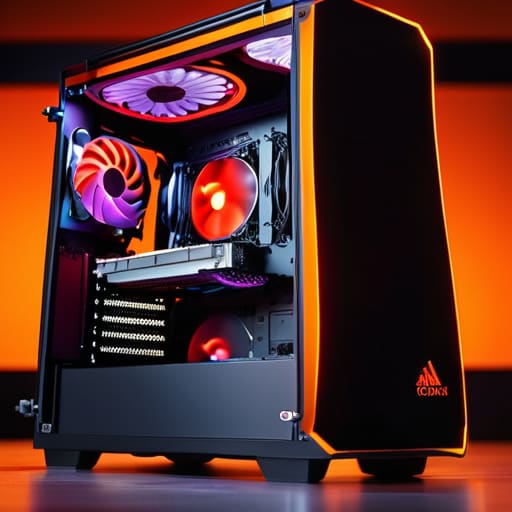
In the world of professional sports, the theory of sports roster construction is a lot cleaner than the actual execution. On paper, you just stack the highest-rated assets into one lineup and wait for the trophy to arrive. But if my PC builds taught me anything, it’s that you can’t just throw the most expensive components into a case and expect it to run; if the power supply can’t handle the draw, the whole system throttles. It’s the same with high-end rosters. You can have three players with massive individual stats, but if they all require the ball to be effective, you’ve just built a machine that’s going to overheat the second the pressure hits.
The real friction happens when you weigh team cohesion vs talent. In a vacuum, talent wins games, but in a high-stakes playoff environment, it’s the lack of specialized roles that kills you. When everyone is trying to be the “main character,” you lose the defensive rotations and the dirty work that actually secures a win. This is a primary reason why super teams fail—they end up being a collection of elite individuals who are functionally incompatible when the game slows down.
Stop Chasing the Spreadsheet: 5 Ways to Build a Roster That Actually Functions
- Prioritize synergy over raw stats. I’ve seen enough high-tier builds fail because the abilities canceled each other out; a team of five “carry” characters is just five people fighting for the same resources while your actual win rate tanks.
- Check the resource economy. A super team is useless if every single player requires 100% uptime or massive cooldown windows to be effective; you need a rotation that allows for breathing room, or you’ll get wiped the second one person misses a skill shot.
- Value the “glue” players. The most expensive rosters often fail because they lack a dedicated support or utility specialist; if your team is just a collection of damage dealers, you aren’t a super team, you’re just a glass cannon waiting to shatter.
- Test the composition against the current meta, not the theoretical ceiling. A roster might look god-tier on a wiki, but if the current patch has nerfed your primary synergy, you’re just overpaying for a legacy build that can’t clear modern content.
- Account for the “human” error margin. A true super team works even when one player is having an off night; if your entire strategy collapses the moment a single person misses a single input, your composition is too fragile to be called elite.
The Bottom Line: Why Your "Dream Team" Might Be a Total Waste
A super team isn’t about stacking high-stat players or expensive skins; it’s about checking if their actual utility overlaps or if they’re just three different carries fighting over the same resources.
Stop looking at the theoretical ceiling and start looking at the floor—a roster that hits 100% efficiency once a week but crashes to 20% during a bad tilt session is a liability, not an asset.
The “Meta” is a moving target, so don’t sink your entire budget or season into a specific composition unless you’ve tested how it holds up when the patch notes actually change the math.
The Spreadsheet Delusion
“A super team isn’t just a collection of high-stat characters on a spreadsheet; it’s finding the exact combo that actually clears the level without wasting your entire night on a single boss. You can stack all the ‘best’ players in the world into one roster, but if their synergy is broken, you’ve just built an overpriced PC with a massive GPU and a bottlenecked CPU—it looks good on paper, but it’s going to tank the moment you actually try to play.”
Denny Kowalczyk
The Bottom Line on Super Teams
At the end of the day, a super team isn’t just a collection of high-tier assets or a roster of players with the highest individual stats on a spreadsheet. If you’re just stacking expensive talent without looking at how their roles overlap, you aren’t building a powerhouse; you’re just building a very expensive headache. We’ve seen it happen in everything from high-stakes esports to standard RPG builds: you get the “meta” characters, but you lack the synergy to actually clear the content without wasting your entire night on a single boss. A real super team requires a balance of utility, resource management, and—most importantly—functional cohesion that actually translates to the scoreboard.
Stop chasing the hype of the “perfect” roster and start looking at how the pieces actually fit together when the pressure is on. Whether you are managing a professional esports lineup or just trying to optimize your squad for a weekend raid, remember that efficiency beats raw power every single time. Don’t get distracted by the shiny spec sheets or the marketing fluff surrounding top-tier players. Build something that actually works, something that hits its marks consistently, and something that doesn’t fall apart the second a single variable changes. That is the difference between a group of stars and a true winning machine.
Frequently Asked Questions
Does stacking high-tier meta characters actually guarantee a win, or does it just make my team more vulnerable to specific hard counters?
Stacking meta picks is a massive gamble. On paper, your team looks invincible, but you’re actually building a glass cannon. If you run four top-tier DPS characters without any utility or sustain, one specific hard counter—like a single crowd-control specialist or a niche debuffer—will turn your “super team” into a glorified spectator mode. You aren’t building a winning roster; you’re just building a team that’s easy to predict and even easier to shut down.
At what point does a "super team" become too expensive or resource-heavy to maintain in a long-term seasonal grind?
It hits the wall the second your resource scaling stops being linear and starts becoming exponential. In most seasonal grinds, you hit a “diminishing returns” ceiling where adding that one extra Tier-S unit costs 40% more gold or XP but only nets you a 2% DPS increase. If you’re spending your entire weekly lockout just keeping the roster afloat instead of actually clearing content, you haven’t built a super team—you’ve built a money pit.
How do I tell if a team composition is a genuine super team or just a collection of popular characters that don't actually synergize?
Look at the utility, not the popularity. A real super team has a clear win condition—like a specific combo that guarantees a CC chain or a damage spike. If you’re just stacking high-tier characters and realize halfway through a match that you have three glass cannons but zero peel, you don’t have a super team; you have a glorified collection of skins. If the synergy isn’t visible in the actual gameplay loop, it’s just expensive noise.
